
-
Daniel Carter
- 15 Mins Read
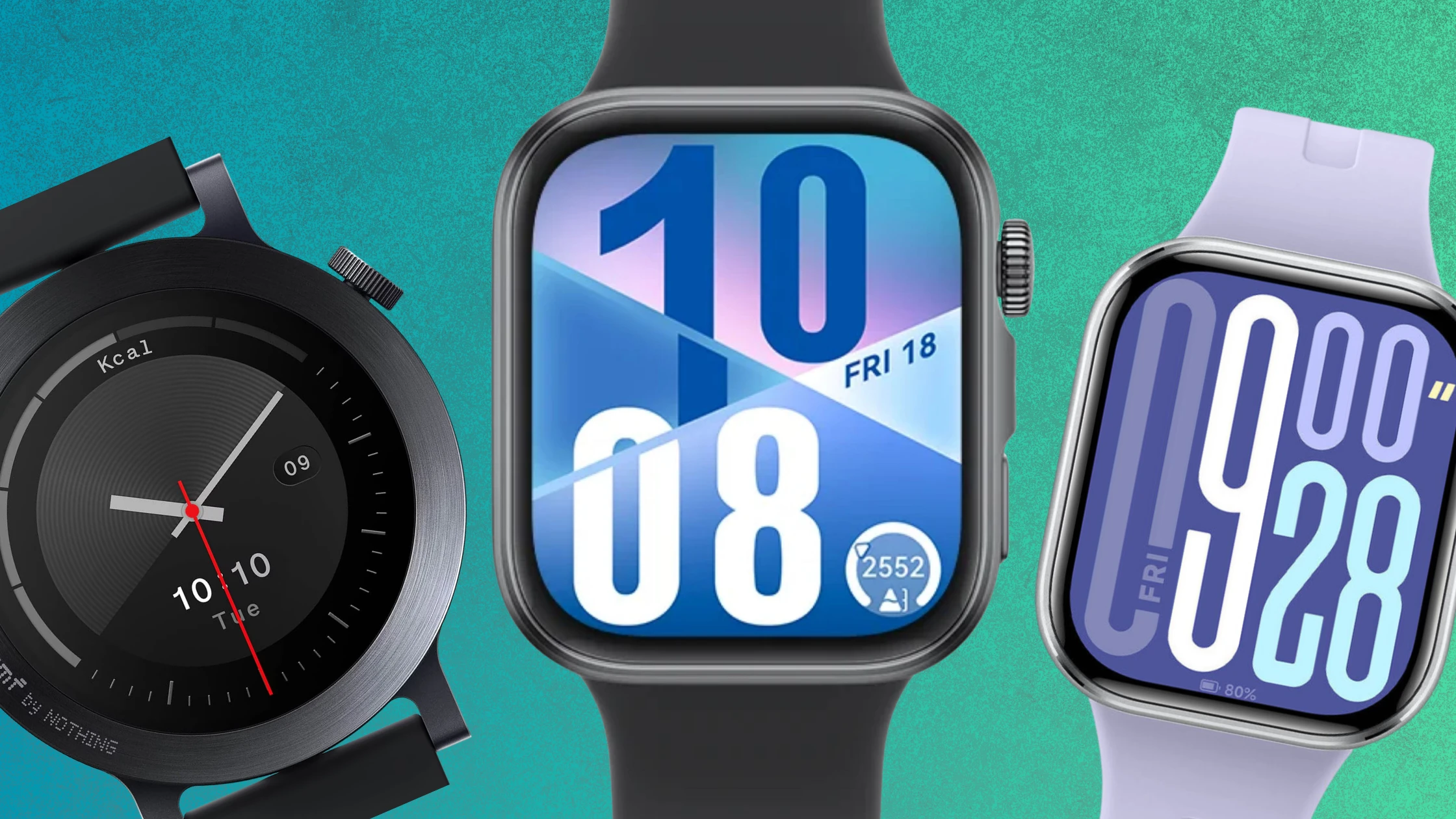
There’s never been a better time to buy a budget smartwatch in 2026. Shoppers now have more choice than ever, with a growing lineup of budget-friendly smartwatches that prove you don’t need a premium price tag to get usable options. Brands like Hume Health, WHOOP, and Withings, once known for commanding top prices for powerful smartwatches, are now offering versions at low prices without cutting corners.
Even the best smartwatches in this space pack in-depth health tracking and support for third-party apps. This influx of less expensive devices proves that affordable doesn’t mean compromise anymore — many are big on features. We performed numerous tests to find the top smartwatches that deliver real value without making you break the bank.
- Check out our Best Fitness Trackers in 2026
Quick List
- Hume Band
- WHOOP 5
- Withings ScanWatch Light
- Huawei Watch Fit 4
- CMF Watch 3 Pro
- Amazfit Active 2
- Xiaomi Watch 2
- Redmi Watch 5
- Amazfit Bip 6
- Xiaomi Watch S4
What to expect from budget smartwatches in 2026
Last year was busy for budget smartwatches, with major new releases from WHOOP and Amazfit leading the charge. These brands have carved out their own corner of the market, and in 2026, the budget smartwatch category continues to dominate the entry-level side of the wearables market.
Devices in this segment now offer better smart features than they did in the past, when you had to pay upward of $200 to get anything decent. This improvement means advanced tracking features that once belonged to flagship models have started to trickle down to sub-$150 watches, giving buyers more value than ever.
How we tested and chose these smartwatches
Ranking the best cheap smartwatches is a tricky task, since choosing standout picks means weighing dozens of reviews against real-world value. For this buyer’s guide, value for money mattered as much as raw specs when building this list of top-rated options. Every device on this list was tested at its specific price point.
We leaned on hands-on experiences rather than comprehensive marketing claims alone. Our in-depth testing covers each device from launch through daily use, and we rigorously analyze design, features, health monitoring, and activity tracking against manufacturer claims to see what actually holds up.
Hume Band 2.0: Best smart band for clear wellness insights

Key Features
- Thin UltraLux material and screenless design
- Up to 14 days of battery life
- Digital Twin feature for wellness insights
- Blood pressure trend tracking
The Hume Band 2.0 is the most balanced wearable for the money right now. Hume Health’s newest wellness and fitness tracker builds on its predecessor with a slim, screenless design and a deepened focus on well-being, pairing solid features with insights you can actually act on.
The biggest change from Hume is a shift away from the original SuperKnit fabric to a new UltraLux material, currently available in gray and fully adjustable for 24/7 comfort, whether you’re sleeping, swimming, or heading out into the ocean.
Essential tracking features remain intact, including heart rate, HRV, SpO₂, sleep stages, respiratory rate, skin temperature, activity, and recovery metrics. The main addition this time is blood pressure trend tracking, where the band monitors patterns over several days and turns them into simple, actionable tips for lifestyle changes.
This new feature makes the Hume Band 2.0 more useful day to day, though it’s worth remembering it isn’t a medical diagnostic tool, so you should still consult a doctor before making any clinical decisions based on its readings.
Battery life is another area where the brand has extended things nicely, with up to 14 days on a full charge, though actual figures will vary with use. The original model disappointed us with its step tracking, and unfortunately, the numbers here are still way off.
Pros
Cons
WHOOP 5.0: Best smart band for recovery tracking
Key Features
- Up to 14-day battery life
- Screenless sleek design
- Compatible with Android and iOS
- Family plans available
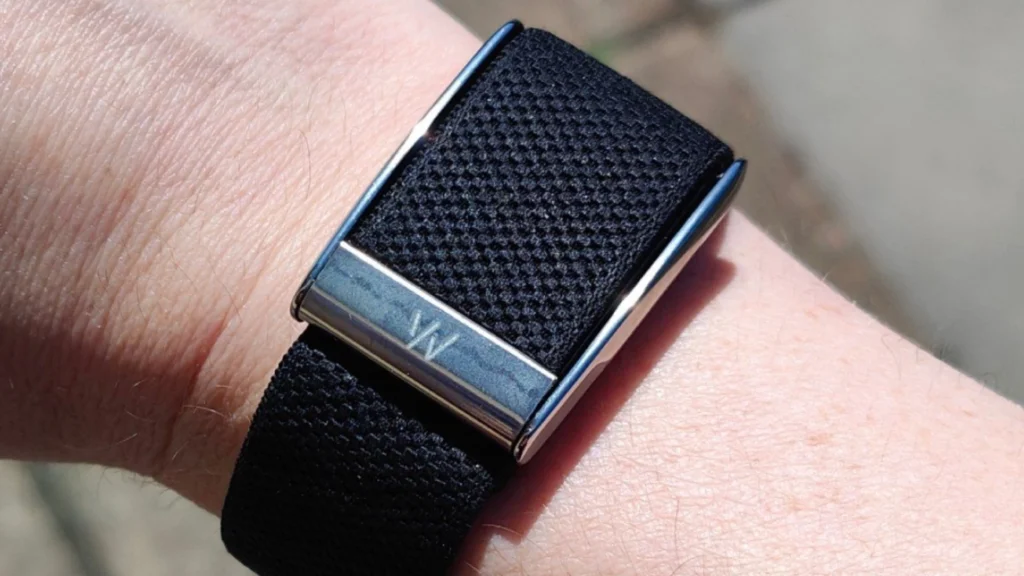
WHOOP has long been the gold standard for athletes who care about recovery and strain management, and the 5.0 model is its most ambitious update yet. Launched in mid-2025, it brings improved sensor technology into a smaller body that triples battery life to up to 14 days, compared to just 5 on the previous generation.
The WHOOP experience centers on understanding the balance between training load and recovery, and the new Healthspan suite adds longevity-focused metrics that go beyond what newer entrants like the Hume Band currently offer.
The main caveat with WHOOP is its membership-based model: the tracker itself is essentially free, but you’ll need a WHOOP Peak subscription starting at $239.00 a year to unlock the full subscription experience. Without an active subscription, the WHOOP 5.0 device becomes unusable, so if you stop paying the subscription fee, your data and tracking stop too.
Pros
Cons
Withings ScanWatch Light: Best elegant smartwatch
Key Features
- Battery life up to 35 days on a single charge
- Heart rate, HRV, and respiratory rate tracking
- Compatible with Android and iOS
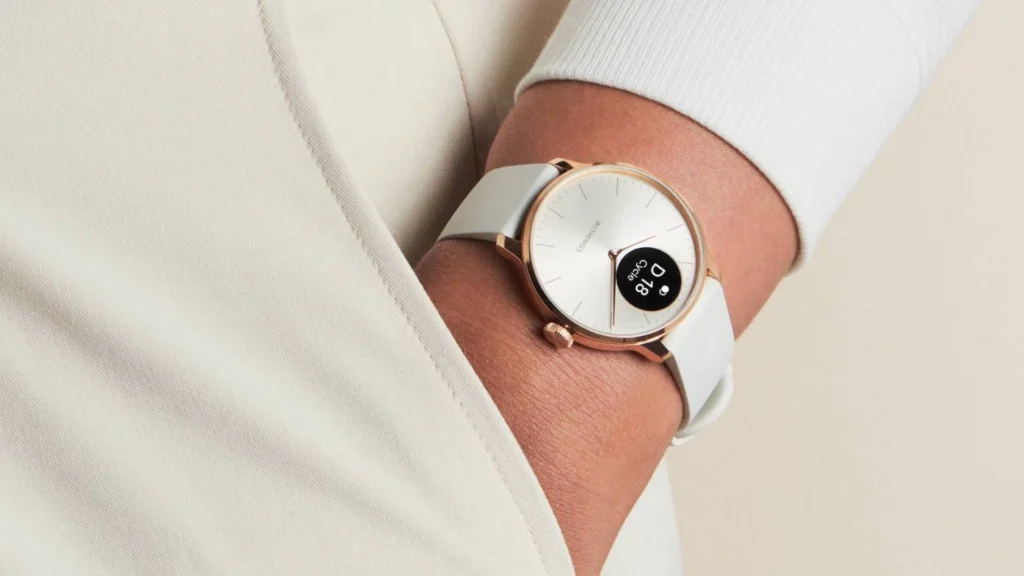
The Withings ScanWatch Light is the most compelling option for anyone who wants a health tracker that looks like a real watch rather than a gadget strapped to their wrist. Its elegant analog design means it could pass for a fitness monitor only if you look closely, since at first glance you’d just see a small DeepGray OLED display tucked in for app notifications and incoming calls.
At just 37mm and 27.1g, it’s remarkably lightweight and comfortable enough for all-day and all-night wear, which makes it a solid pick for anyone who forgets to take their watch off before bed. With up to 35 days of battery on a single charge, you can put it on and it’s easily forgotten until it’s time to charge again.
Beyond the design, tracked metrics on the Withings ScanWatch Light include blood oxygen, heart rate variability, and temperature tracking, matching what you’d typically find on more expensive Withings models.
The Withings ScanWatch Light also holds up well with its sleep tracking features, covering stages, duration, and a quality score alongside a breathing quality index that rivals more expensive counterparts. At $249.95, this entry model proves that a timeless design and genuine health tracking can coexist without one having to compromise the other.
Pros
Cons
Huawei Watch Fit 4: Best affordable smartwatch with a display
Key Features
- Thin (9.5mm) and light aluminum alloy design
- Bright 1.82-inch AMOLED display (2,000 nits)
- Dual-frequency GPS and offline mapping
- 7–10 day battery life
- Supports Android and iOS
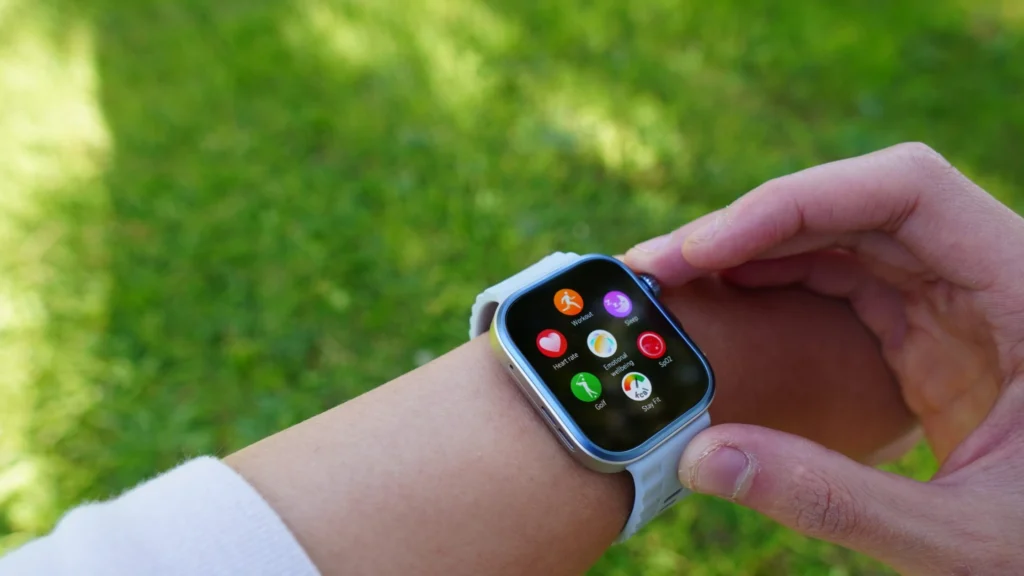
The Huawei Watch Fit 4 proves that design doesn’t have to suffer at a budget price, and it punches well above its price of $134.45. Huawei has refined the soft-touch aluminum case and paired it with a bright AMOLED display that’s a genuine joy to use every single day. Sports tracking on this budget device includes accurate dual-frequency GPS, offline mapping, and route import, features you’d normally expect from watches costing hundreds more.
The trade-off for that value is basic smart features: there’s no robust app store and no contactless payment support, a compromise most buyers can live with given the excellent battery life. Expect a whole week under typical use, or around four days with the always-on display active, which is still respectable for a screen this bright.
The real drawbacks are less about performance and more about official availability, since sanctions limit sales in the US, and the software runs neither Wear OS nor watchOS, so third-party smarts are limited. Still, next to the more expensive Pro model, this standard version is the best value in Huawei’s entire lineup right now.
Pros
Cons
CMF Watch 3 Pro: Best stylish watch on a budget

Key Features
- 13-day battery life; 4–5 days with AOD enabled
- Dual-frequency GNSS tracking
- Android and iOS compatible via the Nothing X app
Priced at just $65.00, the CMF Watch 3 Pro sets a new bar for budget aesthetics that few rivals can match. It ditches the modular bezels seen on the Pro 2, and the Watch 3 Pro looks more refined as a result, especially in its standout orange variant with a meticulously designed UI that echoes Nothing’s signature monochrome style throughout the interface. It’s arguably the best-looking watch in its price bracket, and it doesn’t feel cheap in the hand either.
The software is basic, but the UI feels incredibly snappy, and during testing, the dual-frequency GNSS was a genuine highlight across multiple test sessions, with tracking that matched watches three times the price.
Heart rate accuracy holds up fine for casual workouts, but it’s clearly still starting out here, since readings lagged poorly during heavier gym sets and interval running sessions. The bigger compromise is durability: with only an IP69 rating, it’s not recommended for swimming or any prolonged water exposure.
Even so, this remains a stylish, functional watch, and with 13-day battery life (or less with AOD disabled) and solid GPS, the CMF Watch 3 Pro is the best bargain on the market right now.
Pros
Cons
Amazfit Active 2
Key Features
- 1.32-inch AMOLED display
- 10-day battery life (typical use)
- Tracks heart rate, sleep, GPS, and activity with full mapping
- External sensor support
- Zepp Flow AI assistant
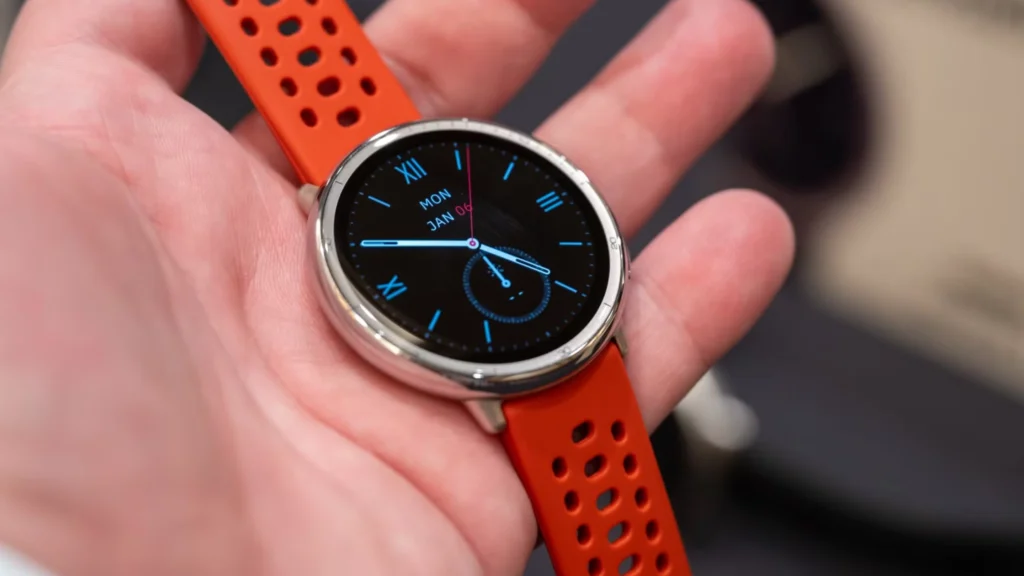
At a price of just $99.99–129.99, the Amazfit Active 2 redefines what a budget smartwatch can offer, and it does so with a confidence few competitors manage at this level. It punches well above its weight with high-end features like full offline mapping and the ability to pair external sensors, something rare at this price point and usually reserved for flagship devices.
The round design is a departure from the original and will likely divide opinion, but the AMOLED screen itself is bright and clear during everyday testing, whether indoors or under direct sunlight. GPS accuracy is solid for casual use, and while onboard heart rate tracking still lags behind premium rivals, external sensor pairing gives you a more accurate external sensor option when precision actually matters during workouts.
The main trade-off is user experience, which turns sluggish under demanding features, especially with the new mapping function active, given the sheer number of features crammed into the software. Still, at this price, the Amazfit Active 2 is an almost unbeatable option for anyone shopping on a budget who still wants serious tracking power on their wrist.
Pros
Cons
Xiaomi Watch 2

Key Features
- Single-day battery life
- Wear OS 3.5
- HR, stress, sleep, and blood oxygen tracking
- Android-only
A couple of years ago, Xiaomi’s budget-friendly Watch 2 was released as a compelling option for shoppers who wanted the cheapest device running Google’s Wear OS platform without paying flagship prices. It launched on Wear OS 5 and made a surprise appearance on Wear OS 6 with the August 2025 update, keeping it relevant well past its original release date.
For Android phone users invested in the Wear OS ecosystem, access to a wide range of third-party apps makes this a worthy option next to something like the Samsung Galaxy Watch FE at $200.
Build quality and display both feel a step up from what you’d expect on a cheaper smartwatch at this price, with none of the flex or creak you sometimes get from budget hardware. On the software side, Wear OS 6 is capable, and the Galaxy Watch FE feels more polished overall, but this watch remains responsive in our original testing even after repeated daily use.
At this price, compromises are inevitable: battery life sits at just a single day, and Xiaomi doesn’t offer an LTE version for those who want to leave their phone at home. Even so, the Xiaomi Watch 2 strikes a solid mix of usability, build quality, and value for its price point.
Pros
Cons
Redmi Watch 5

Key Features
- 2.07-inch AMOLED display with up to 1,500 nits brightness
- Sleek aluminum design with 2.5D glass
- Up to 24 days of battery life
- 5ATM water resistance (up to 50m depth)
The Redmi Watch 5 brings meaningful upgrades over its predecessor, starting with a vivid AMOLED display that’s the clear highlight and key differentiator against everything else in this price range. During testing, it delivered sharp visuals and excellent visibility outdoors, giving off a premium feel despite its affordable price of $43.99, which still feels like a steal for what’s on offer.
Still, this smartwatch has its issues, and none of them are minor enough to ignore completely. Essential smartwatch functions like notifications, music control, and fitness tracking are all present, but the result is a mixed bag depending on how deep you dig. Heart rate readings during exercise were inconsistent, and the Watch 4 was actually the more reliable option for tracking fitness, which is a step backward for a supposed upgrade.
Where this model does deliver is in battery life, lasting weeks on a single charge, a significant advantage over most rivals in this category. The UI is intuitive and easy to navigate, and sleep tracking accuracy is solid, though it offers limited insights beyond the basics you’d expect.
As a stylish smartwatch for everyday wear, basic activity tracking and excellent battery life make the Redmi Watch 5 a decent option, even if tracking performance still lags behind more expensive watches on the market.
Pros
Cons
Amazfit Bip 6
Key Features
- Large AMOLED display
- Up to 14-day battery life
- Offline maps and GPS tracking
- External sensor support
- Zepp Flow AI
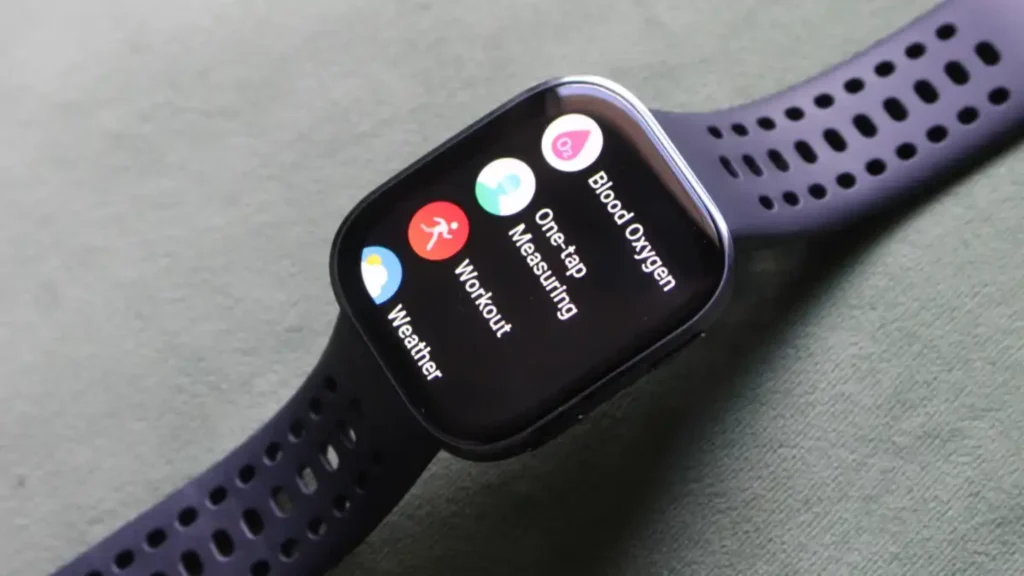
Zepp Health, the brand behind Amazfit, has delivered a significant upgrade with the Amazfit Bip 6, launching at an aggressive $79.99 price point that’s actually lower than its predecessor despite the improvements packed inside. The biggest complaint with the Bip 5 was its dated TFT panel, so the switch to a vibrant, colorful AMOLED display makes this feel like a far more expensive device the moment you turn it on.
The headline addition of this generation is offline maps, a genuinely rare inclusion on a sub-$100 smartwatch and one that changes how usable this device is for outdoor workouts. Every Amazfit device we’ve tested lately has leaned into fitness accuracy, and GPS tracking here is accurate enough for daily runs and rides, though exercise heart rate readings still lag behind what serious athletes need for precise training data. Because of that gap, it’s worth pairing an external heart rate sensor for better results, much like we recommended with the Active 2 earlier in this list.
Build quality is a welcome upgrade too, with an aluminium alloy frame replacing the all-plastic predecessor for a noticeably more premium feel in the hand. Battery life remains a strong point, holding up for around 10 days of regular use even with the brighter display running. The Zepp Flow AI assistant leans on Alexa for some functions, though it can feel inconsistent in its current form and occasionally misfires on simple requests.
Given the compromises in performance for the price, this smartwatch still represents a massive step up for the brand overall, and between the AMOLED screen and offline maps, it lands among the best-value smartwatches available today.
Pros
Cons
Xiaomi Watch S4
Key Features
- Fashion-focused design with swappable bezels (standard model)
- Two unique case sizes and styles
- Bright AMOLED display
- Reliable heart rate tracking
- 4–8-day battery life
The Xiaomi Watch S4 is a solid option for anyone who values fashion and design over hardcore fitness tracking, and it makes that priority obvious from the moment you put it on.
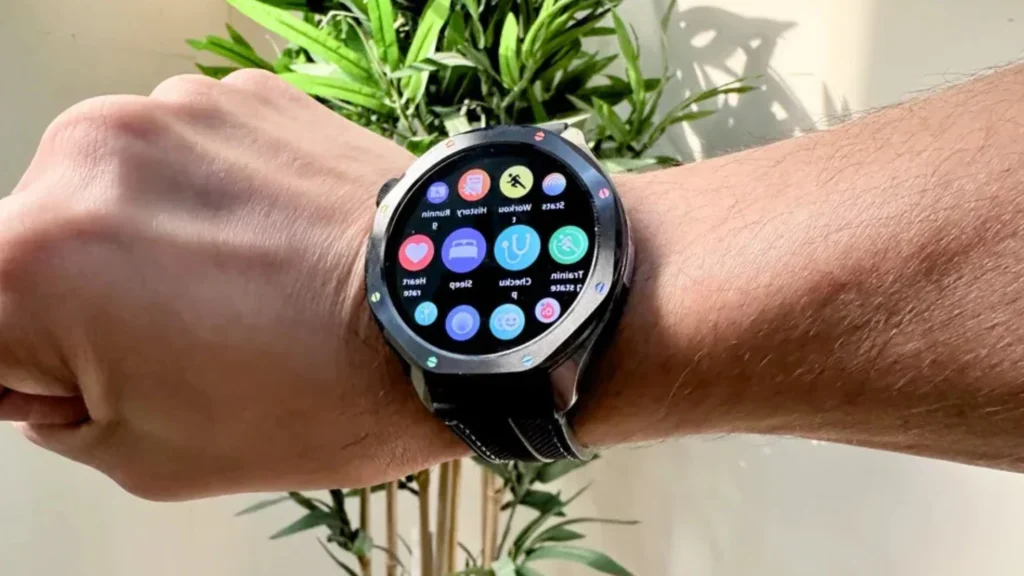
Its standout feature is a stunning, premium look that punches well above its budget price of $121.99, available as either an elegant 41mm model for smaller wrists or the standard 48mm version, both built around a swappable bezel system that lets you change up the look whenever you like.
In testing, the AMOLED display looked vibrant in almost any lighting, and heart rate monitoring proved reliable, making it a solid companion for gym sessions and walks alike, blending style with substance in a way few budget watches manage.
GPS performance was inconsistent, though, making it a poor choice for serious runners and cyclists who need dependable route tracking. Smart features stay basic, and sleep tracking analysis is mixed, sometimes missing details that more expensive trackers pick up without issue. As a beautiful accessory that handles notifications and casual workouts fine, tracking issues keep it from being a top all-around recommendation for dedicated athletes.
Pros
Cons
The Bottom line
You don’t need to break the bank to get a well-functioning smartwatch in 2026, no matter what your budget looks like. Budget-conscious consumers now have plenty of options from brands like Hume Band and WHOOP, which offer solid devices at reasonable prices.
With prices starting at $39.49, you don’t have to sacrifice quality just because you’re working with a smaller budget, though cheaper devices generally come with less functionality. So, which is the best cheap smartwatch for you? We recommend weighing the metrics and features that matter most against your priorities before making a final purchase decision.
SHARE.
