
-
Daniel Carter
- 20 Mins Read
Pros
Cons
Apple Watch Series 11 Specs
| Price | £369 / $399 |
| Size | 46 × 39 × 9.7mm or 42 × 36 × 9.7mm |
| Weight | 37g (46mm), 30g (42mm) |
| Display | 1.9-inch (46mm) or 1.5-inch (42mm) |
| Case Material | Aluminum or Titanium |
| Screen Material | Ion-X Glass or Sapphire Crystal |
| Water Resistance | 50 meters |
| Battery Life (Watch) | Up to 24 hours |
| Battery Life (GPS) | Up to 8 hours |
| Storage | 64GB |
Price and Value
The Apple Watch Series 11 launches at $399 in the USA. In some regions, like the UK, there is a price difference — it starts at $369, which is actually slightly cheaper than the Series 10’s original UK launch price. That makes it a strong proposition if you are shopping outside the US.
You get two different model sizes: a smaller 42mm for tighter wrists and a larger 46mm with a bigger screen. The $400 aluminium model with Ion-X glass is the right pick for most buyers, while the $700 polished titanium model with a durable sapphire crystal screen is there for those who want a more premium feel and extra toughness. At either price point, the value on offer is solid given everything the watch can track and monitor.
The latest Series smartwatch from Apple moves to the beat of a metronomic rhythm. Year after year, the Apple Watch arrives as the undisputed champion of the watch world — the default choice for any iPhone user who wants the best wrist companion money can buy. The Apple Watch Series 11 is no different. It is the latest and most polished expression of Apple’s quiet dominance in the smartwatch space, and just like its predecessor, it raises the bar just enough to stay ahead of the competition.
To understand where the Series 11 stands. Apple has been steadily refining its flagship smartwatch since the very first model, and each generation has built on the last without reinventing the wheel.
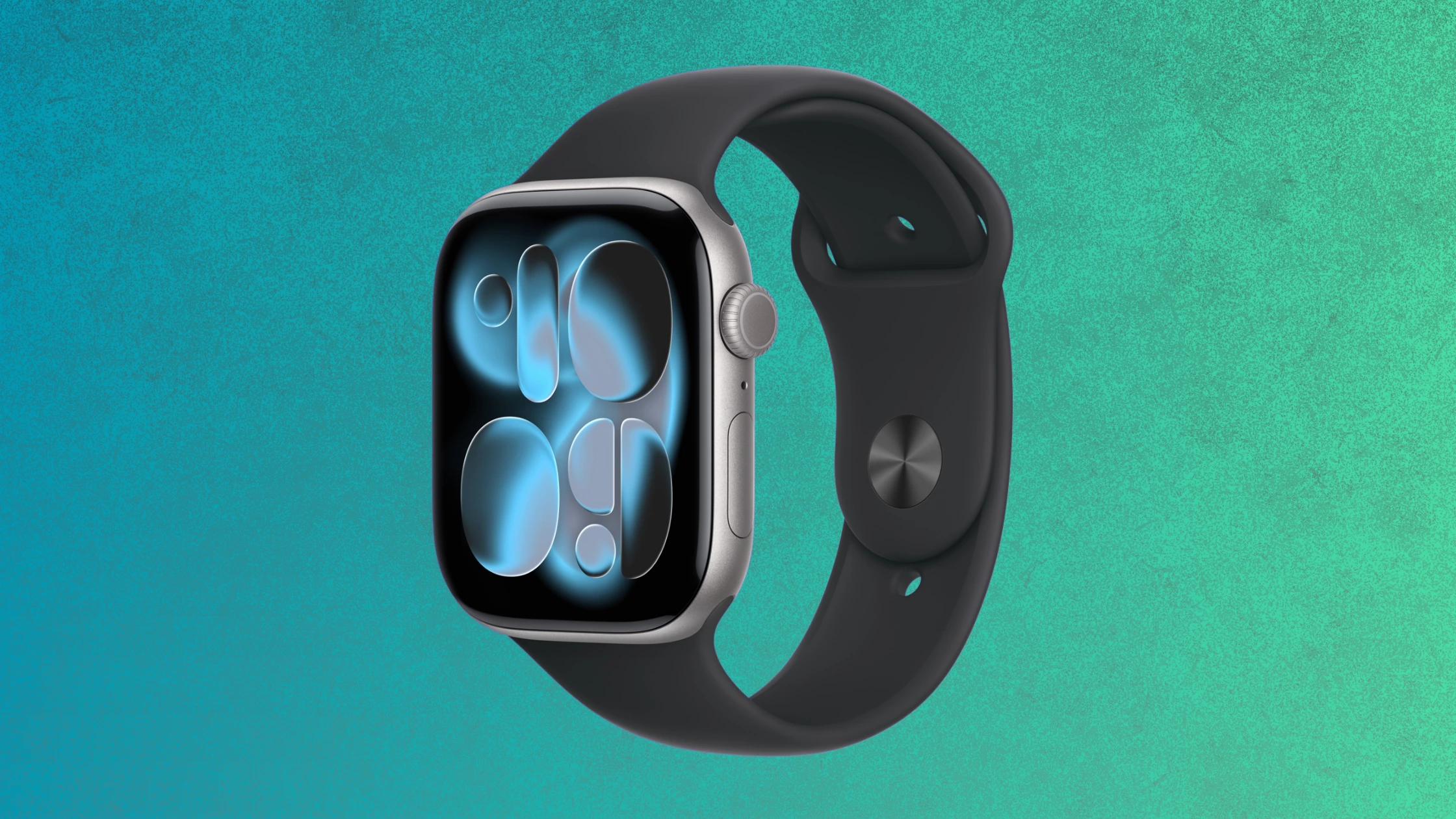
The Series 11 comes in two different model sizes — a smaller 42mm for tighter wrists and a larger 46mm with a bigger screen. On the pricing side, you have a $400 aluminium model with Ion-X glass and a $700 polished titanium model with a durable sapphire crystal screen. This year’s aluminium color options include Rose Gold, Silver, Space Grey (new), and Jet Black. Our reviewer called the overall design slim, unobtrusive, and very comfortable to wear — which is exactly what most people want from an everyday smartwatch.
What's New on the Apple Watch Series 11?

Let’s start with the design. The Apple Watch Series 11 looks lovely. It is slim and unobtrusive, and it sits comfortably on the wrist no matter the time of day. One thing that stands out right away is how it looks better with all clothing — whether you are dressed up or heading to the gym, the aluminium Series 11 never feels out of place. It is light on the wrist, especially for its price, which makes it the better buy for most people compared to the heavier titanium version.
The display on the aluminium model is great. The scratch resistance on the display is a real improvement this year — more on that in the build section — but the screen itself is not completely different from the Series 10. And honestly, that is not a bad thing. The colors are bright and punchy, the always-on mode is smooth, and readability outdoors is excellent.
In terms of what actually makes improvements in the Series 11, Apple focuses on three main areas: Internal Feature Richness, Fitness Tracking Accuracy, and Health Features Abundance. Together, these three things are what make the Apple Watch so recommendable to iPhone users who are buying their first Apple Watch or upgrading from an older model.
On the gesture side, double tap remains useful for quick one-handed actions while you walk. The new Wrist Flick gesture is a welcome addition — when you need to quickly dismiss notifications, silence timers, alarms, and mute incoming calls, you can do it all with a simple turn of your wrist. No tapping, no reaching for the screen. It feels natural after just a day of use.
Battery life also sees some improvements in the Series 11. Apple now offers 6 hours more than the Series 10 on a single charge, which takes the total up to 24 hours of all-day use. For most people, this means you can reliably wear the watch through the night for sleep tracking without the anxiety of running low.
Design and Display
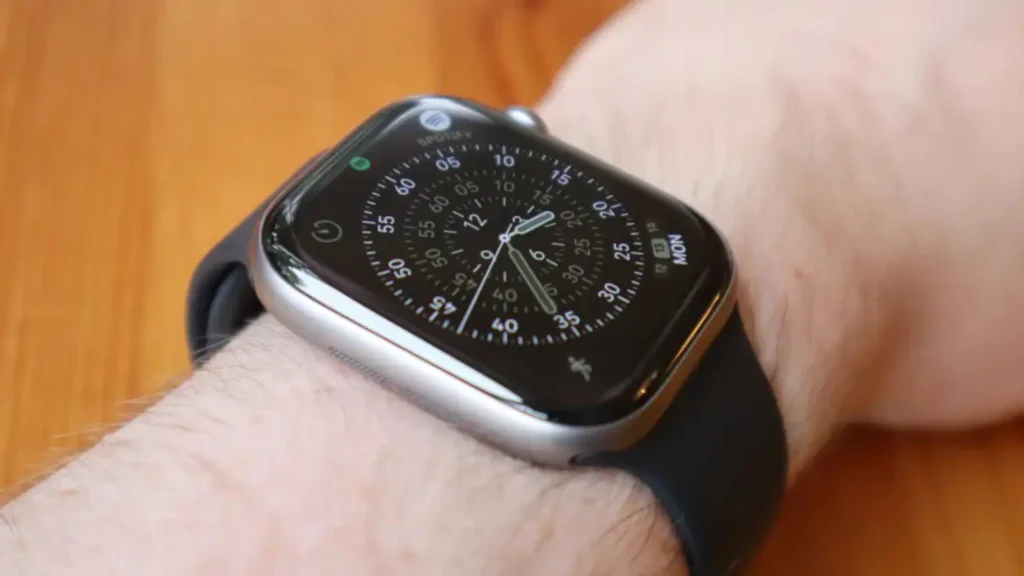
The Apple Watch Series 11 keeps the same rounded design language as its predecessor, with a slightly refined wheel and a thinner, larger-screen form factor. It is quite similar to the Series 10 at first glance, but the Series 11 sports a brighter display and feels like the most refined version of Apple watches to date.
The 42mm and 46mm case sizes were introduced last year when Apple launched and we tested and reviewed the Series 10. That larger display now fits even better, and the good news is it can also fit smaller wrists without feeling too bulky. Apple has done a good job of making both sizes feel proportionate.
In testing, the Series 11 proved to be genuinely comfortable for 24/7 wear. It is thin enough that you barely notice it during the night, and light enough that it never gets in the way during workouts or daily activity.
Build Quality and Durability

The sleek, ultra-thin design of the Series 11 does not compromise on heavy-duty protection. The scratch-resistant glass on the aluminium models is one of the biggest hardware improvements this year, and combined with the crack-resistant build, the watch feels ready for everyday life. It carries a 50M water and IP6X dust rating, which means you can swim, shower, and exercise in all conditions without worry.
For the standard aluminium model, Apple has used an advanced Ion-X front glass that is engineered to be 2x more scratch-resistant than the Series 10. This is a meaningful upgrade for anyone who has ever walked away with a scuffed display after catching their watch on a doorframe or bag strap.
WatchOS 26: Software and Smart Features
WatchOS 26 is the flagship operating system powering the Series 11, and it brings meaningful enhancements across health tracking, convenience gestures, and personalization. Like all Apple Watch models, it must be paired with an iPhone running iOS 26 to unlock the full feature set.
The visual overhaul with Liquid Glass gives the interface a fresh, modern look — menus, notifications, and complications all feel more polished. New additions like the Notes app on the watch, the Wrist Flick gesture, and the Workout Buddy feature (which reads out spoken summaries during exercise sessions) make the day-to-day experience noticeably smoother. These are not groundbreaking changes on their own, but together they make the Series 11 feel more capable and enjoyable to use.
Health Features
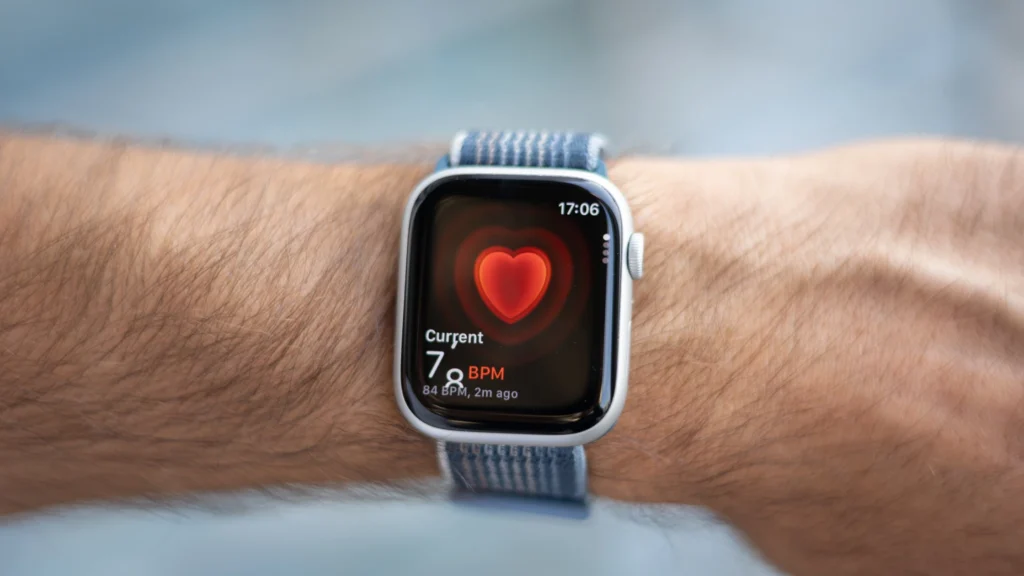
The Apple Watch is becoming a more complete health tracker, and now two important new software features have been added — and the good news is that both also work on the Series 9 and Series 10 watches, not just the newest model.
These new tools add to the long list of health features the Apple Watch already offers. The ECG app checks for AFib, blood oxygen tracking keeps an eye on your SpO2 levels, cycle tracking helps users monitor their menstrual health, Fall Detection can alert emergency services if you take a bad fall, and alerts for sleep apnea flag potential breathing issues during the night. All these features work together to build a strong safety net around your health without you having to do anything extra.
The most important new feature this year is hypertension monitoring. The watch uses the optical heart sensor to study how blood vessels react over time, and from this data, it can pick up early signs of long-term high blood pressure. Just like the sleep apnea alert, this runs quietly in the background — a set-it-and-forget-it tool that could genuinely save lives for millions of users worldwide.
It is worth mentioning that the Apple company was not the first company to bring blood pressure tracking to a smartwatch. Other brands have tried this before. But because Apple has such a big audience worldwide, the impact of this feature is likely to be far greater than anything similar that came before it. We can already picture Apple using a powerful real-life success story from this feature as the centrepiece of next year’s keynote.
Sleep Tracking
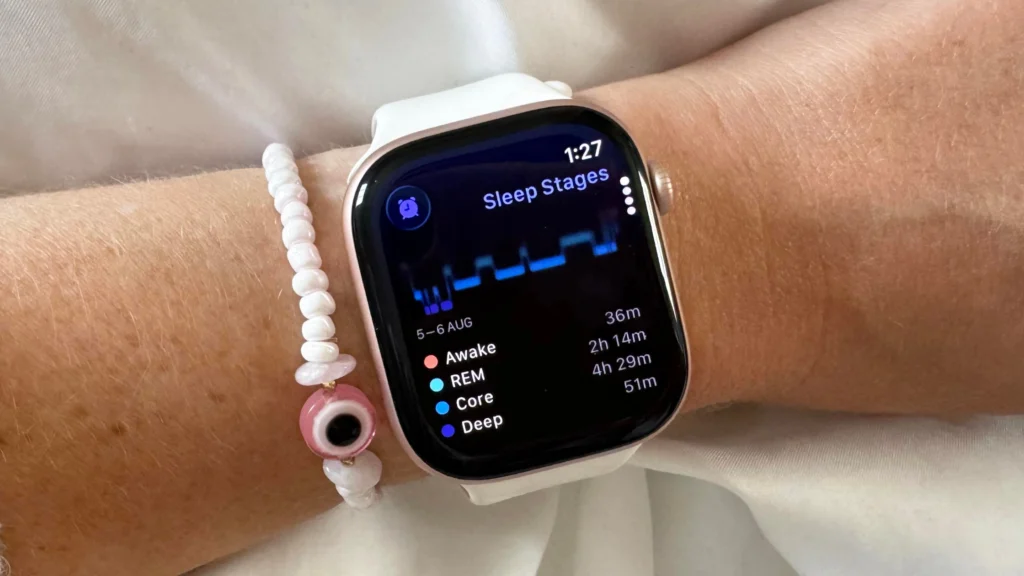
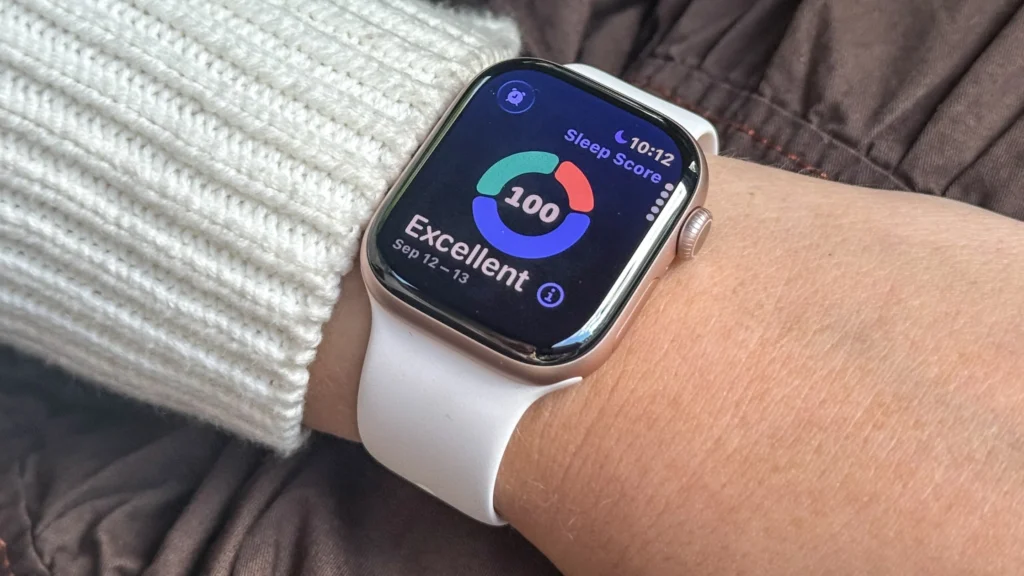
Apple has introduced a Sleep Score with the Series 11, and the approach is noticeably different from what every other competitor offers. Most other smartwatch brands calculate their sleep score using sleep stage tracking (a feature that is known to be not very accurate on regular wearables, especially when compared to proper sleep lab tests), along with heart-based numbers like heart rate variability (HRV) and resting heart rate (RHR).
Apple chose to take a different approach. The sleep score here is based on metrics that are easier to track accurately: total sleep duration (worth 50 points), how consistent your bedtime is (worth 30 points), and how many times you wake up or get interrupted during the night (worth 20 points). These three numbers give you a clear score out of 100 each morning.
It is a smart approach because it focuses on reliable data you can act on, rather than guessing based on shaky numbers. You know exactly why your score is low — maybe you went to bed two hours later than usual, or you woke up three times. That clarity is genuinely useful.
Overall, Apple’s approach feels softer and simpler compared to other brands. Companies like Garmin and Whoop are much more direct — they won’t hesitate to tell you straight up if your recovery or sleep quality is poor. Personally, some users may prefer more detail and depth in this area, but honestly, most regular Apple Watch users don’t feel the same way and are fine with the simpler approach Apple has taken here.
Sports Tracking
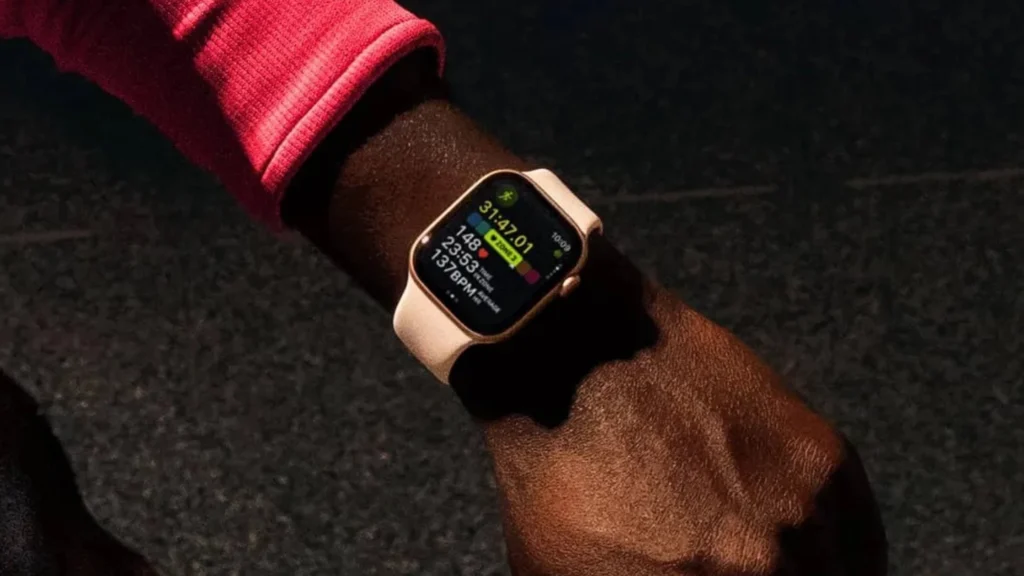
There are no exclusive, major new sports features added for the Series 11. Apart from watchOS 26’s new Workout Buddy, which uses Apple Intelligence to deliver voice summaries during your workout — telling you things like your last mile pace or how close you are to closing your Activity Rings — and a freshly redesigned Workout app, the core tracking experience stays mostly the same.
When it comes to GPS, this is a bit disappointing. These days, even a budget smartwatch like Nothing’s $99 CMF Watch Pro 3 and a direct competitor like the Pixel Watch 4 are now offering dual-frequency GPS. So the fact that the Series 11 does not have this is a noticeable gap on its spec sheet.
One thing is worth keeping in mind: dual-band GPS does not automatically equal better tracking. We have tested and reviewed many watches with the same technology over the past two years, and a good number of them simply couldn’t match the accuracy of Apple’s regular single-band GPS. The Apple Watch Series 11 uses a single-band (L1) GPS system, which in real-world outdoor testing has proven to be reliable and consistent for the majority of users — particularly those running or cycling in open areas.
Battery Life and Charging
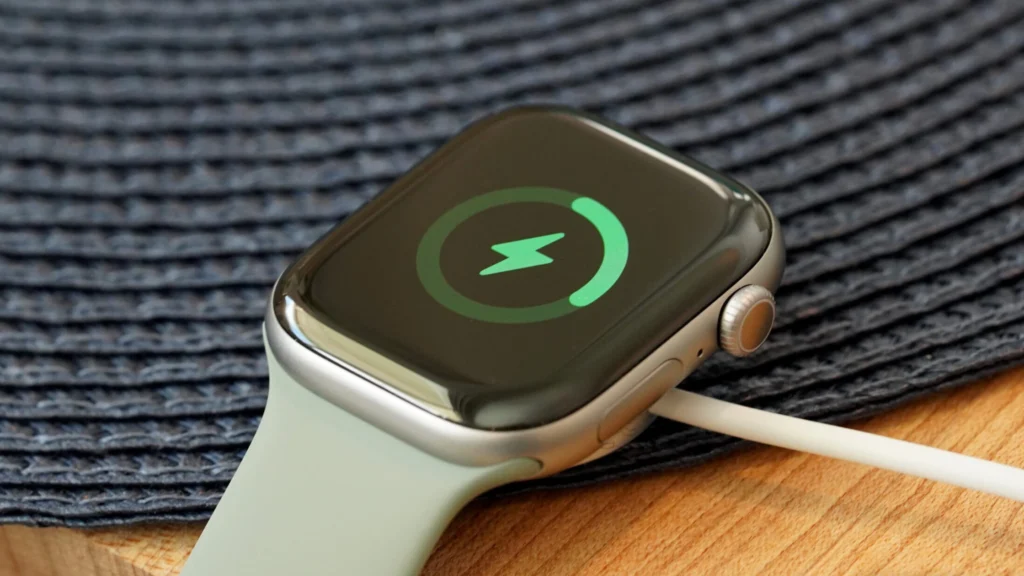
For years, the Apple Watch was stuck at 18 hours of battery life — enough for a full day, but not much more. In Series 11, 24 hours of battery life has been extended as the new standard, giving users an extra 6 hours compared to the Series 10. Apple also factors in sleep tracking as part of that runtime, so you can comfortably wear it overnight without sacrificing daytime use. Fast charging is also on board — a 15-minute charge gives you enough power to last through a workout and a full night of sleep tracking.
Frequently Asked Questions
The Apple Watch Series 11 is the ideal choice for a few types of buyers: first-time buyers stepping into the Apple Watch ecosystem for the first time, users upgrading from devices Series 6 or older who will notice a huge jump in speed and features, Sleep Tracking Enthusiasts who want reliable overnight monitoring, and anyone seeking durability from a daily wearable. If you prioritize all-day health tracking and want a smartwatch that works seamlessly with your iPhone, the Series 11 is one of the strongest options available right now.
The Series 11 and Series 10 look almost identical on the outside. Both share the same 42mm and 46mm case sizes, the same slim profile, and the same LTPO OLED display. The upgrades are mostly internal and software-driven. Here is a quick side-by-side:
Feature | Series 11 | Series 10 |
Starting Price | $399 | $399 (now discounted) |
Case Sizes | 42mm / 46mm | 42mm / 46mm |
Chip | S10 | S10 |
Display | LTPO OLED, 2000 nits | LTPO OLED, 2000 nits |
Screen Protection | Ion-X (2x scratch resistance) | Ion-X (standard) |
Battery Life | 24 hours | 18 hours |
GPS | Single-band (L1) | Single-band (L1) |
New Health Features | Sleep Score, Hypertension alerts | Via software update only |
Water Resistance | 50M / IP6X | 50M / IP6X |
New Colors | Space Gray (new), Jet Black, Rose Gold, Silver | Jet Black, Rose Gold, Silver, Blue |
5G | Yes | No |
Storage | 64GB | 64GB |
Verdict: If you own a Series 10, there is little reason to upgrade. The most significant new health features — Sleep Score and Hypertension alerts — are available on the Series 10 via a free watchOS 26 update. The main hardware reasons to upgrade are the improved screen durability, 5G connectivity, and the extra 6 hours of battery life. For Series 8 or older users, the Series 11 is a clear and worthwhile upgrade.
The Ultra 3 is Apple’s premium flagship, built for extreme athletes, outdoor enthusiasts, and anyone who needs a tougher, longer-lasting smartwatch. Here is how the two compare:
Feature | Series 11 | Ultra 3 |
Starting Price | $399 | $799 |
Case Size | 42mm / 46mm | 49mm only |
Case Material | Aluminum or Titanium | Titanium |
Screen Protection | Ion-X glass or Sapphire crystal | Flat Sapphire crystal |
Battery Life | 24 hours (38hr Low Power) | 36 hours (60hr Low Power) |
GPS Battery | 8 hours | 14 hours (35hr Low Power) |
GPS Type | Single-band (L1) | Dual-band (L1 + L5) |
Water Resistance | 50M | 100M + scuba to 40M |
Action Button | No | Yes |
Microphones / Speakers | 1 mic / 1 speaker | 3 mics / 2 speakers + siren |
Night Mode | No | Yes (red display) |
Health Sensors | Same core sensors | Same core sensors |
Weight | 30g / 37g | 61g |
Thickness | 9.7mm | 12mm |
Verdict: For most iPhone users, the Series 11 is the smarter buy. It delivers the same core health tracking accuracy as the Ultra 3 at half the price, in a much slimmer and lighter package. The Ultra 3 makes sense if you need extended battery life for multi-day adventures, superior water resistance for diving, dual-band GPS for technical outdoor navigation, or the rugged build for extreme environments. If none of those applies to your lifestyle, save the $400 and get the Series 11.
SHARE.
