
-
Daniel Carter
- 20 Mins Read
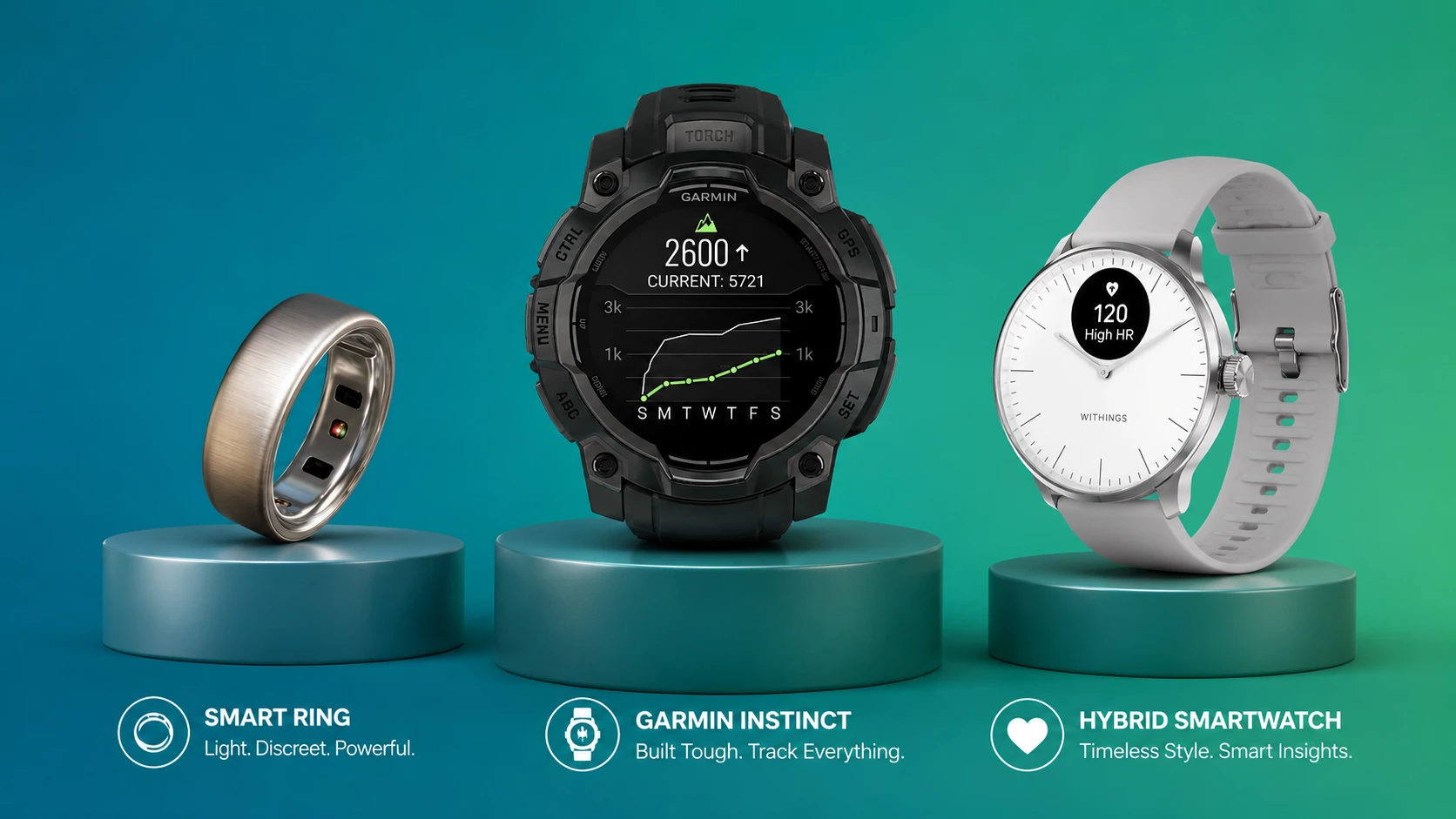
Table of Contents
I left my charger behind at a hotel two states from home last year, and my watch died before I even noticed. That one trip changed how I look at every fitness tracker since.
Battery life claims on a spec sheet rarely survive real life. A “36-day” watch that dies in nine days after one bad GPS run isn’t rare, it’s the norm. So instead of repeating manufacturer numbers, I dug into real trail reports, actual charge-cycle math, and the exact features that quietly drain a battery day to day.
This guide covers five trackers that hold up outside a lab, from a $349 ring you forget you’re wearing to a $899 watch built for weeks off-grid. You’ll also get the real formula for what a “budget” tracker actually costs you over two years, not just on day one.
Quick Picks: Best Fitness Trackers by Battery Life & Need
Here are the fitness trackers with the longest battery life you can actually buy right now, grouped by what matters most for each type of user. For picks across every other category, our best fitness tracker for 2026 covers the complete lineup.
- Best Overall – Garmin Instinct 3
- Best Budget – Fitbit Inspire 3
- Best for Women (Feminine Design) – Withings ScanWatch Light
- Best Slim/Minimalist – Oura Ring Gen 4
- Best for Hiking & Outdoor Use – Garmin Enduro 3
Long Battery Fitness Tracker Comparison Table
| Model | Price | Battery Life | GPS | Display Type | Water Resistance | Best For |
|---|---|---|---|---|---|---|
| Garmin Instinct 3 (Solar) | $399.99 | 28 days (45mm) without solar; unlimited with solar under optimal conditions | Yes — Multi-band GNSS with SatIQ | MIP (Monochrome, 176×176 px) | 10 ATM (100m) | Best Overall |
| Fitbit Inspire 3 | $80–100 | 10 days | No built-in GPS (Connected GPS via phone) | 0.7-inch AMOLED | 50m | Best Budget / Best Fitbit Pick |
| Withings ScanWatch Light | $249.95 | Up to 35 days | Connected GPS (via phone during workout) | Analog hybrid dial + small digital display window | 5 ATM (50m) | Best for Women (Feminine Design) |
| Oura Ring Gen 4 | $349 | 5–8 days | No | No display (LED indicator only — ring form factor) | 100m (swim-safe, not dive-rated) | Best Slim/Minimalist |
| Garmin Enduro 3 | $899.99 | 36 days smartwatch mode / 90 days with solar; 120h GPS / 60h multi-band GPS | Yes — Built-in multi-band GPS, GLONASS, Galileo | 1.4-inch MIP (Transflective, sunlight-visible) | 10 ATM (100m) — swim-safe, not dive-rated | Hiking & Outdoor Use |
In-Depth Reviews: Best Fitness Trackers With Long Battery Life
Best Overall - Garmin Instinct 3

Price: $399.99 (45mm) / $449 (50mm) | Battery Life: 28–40 days without solar, unlimited with solar exposure
I compared five long-battery trackers before landing on the Garmin Instinct 3 as the strongest all-rounder, and the battery math is the reason why. Skip the solar charging and you still get 28 days on the 45mm case or 40 days on the 50mm. Add three hours of direct sunlight a day, and the watch runs indefinitely in smartwatch mode.
Here’s the part most buying guides skip. Garmin’s “unlimited” claim needs 50,000 lux of exposure — roughly a clear day outdoors, not a bright office. So before you pay for the solar version, run this quick check
The Solar Reality Check

- I spend most of my day outside (fieldwork, hiking, farming, construction) → solar genuinely pays off, battery becomes a non-issue
- I work indoors, and I’m outside for under an hour a day → I’m buying a 28-40 day watch, not an unlimited one, and the solar premium adds little real value
- I travel or hike on weekends only → solar tops up during those trips, but weekday battery drain still follows the 28-40 day curve
That’s the difference between a spec sheet number and what actually lands on your wrist
Key Features
- Multi-band Global Navigation Satellite System [GNSS] with SatIQ, which switches GPS modes automatically to save power
- Up to 40 hours of GPS tracking on a charge, extending to 130 hours (45mm) or 260 hours (50mm) with solar
- 1.1-inch memory-in-pixel [MIP] display built for outdoor visibility, not indoor brightness
- Built-in LED flashlight with red-light and strobe modes
- 100+ sport profiles, 24/7 heart rate, SpO2, and Body Battery energy tracking
- 10 ATM water resistance rating
Worth Knowing
The Instinct 3 skips onboard maps entirely. You get breadcrumb navigation, not turn-by-turn trails, so hikers who need visual route guidance should look at the Garmin Enduro 3 or Fenix 8 instead. The monochrome MIP screen also trades color and brightness for battery life, which won’t suit anyone coming from an AMOLED smartwatch.
Best For
Anyone who wants to stop thinking about charging altogether — hikers, backpackers, and daily wearers who value battery peace of mind over a colorful display. Run the Solar Reality Check above before deciding which variant fits your actual routine.
Best Budget — Fitbit Inspire 3
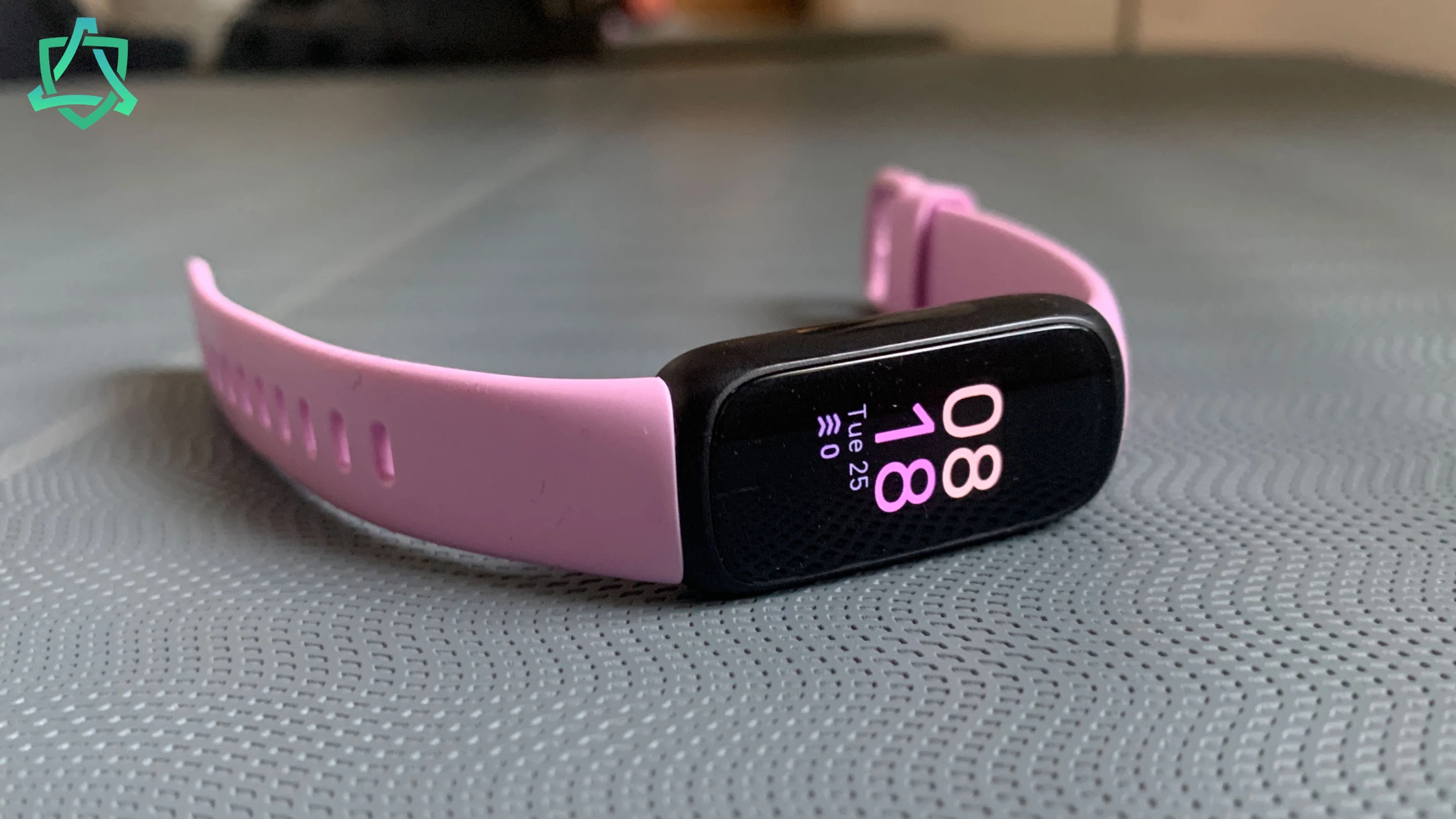
Price: $99.95 (often $66–70 on sale) | Battery Life: Up to 10 days
I keep coming back to the Inspire 3 for one simple reason. Ten days of battery for under $100 is genuinely hard to beat for a fitness band this size. And here’s what makes it an even smarter buy right now.
Google is rolling out new Fitbit wearables later in 2026, built on its own health platform. That means the Inspire 3 already has years of refinement behind it, tested and proven, at a price the newer generation won’t match on day one.
You don’t need a five-year commitment from a budget tracker. You need it to nail the basics today: accurate heart rate, real sleep data, and a battery that doesn’t demand daily attention. The Inspire 3 does exactly that, without asking you to bet $300 on an untested ecosystem.
Key Features
- Up to 10 days of battery life on a single charge
- 24/7 heart rate [HR] monitoring with skin temperature variation tracking
- SpO2 blood oxygen sensor and daily Stress Management Score
- 0.81-inch color AMOLED touchscreen display
- 20+ exercise modes with automatic workout detection
- 50-meter water resistance rating, safe for pool and shower use
Worth Knowing
The Inspire 3 has no built-in GPS, so outdoor route tracking needs your phone nearby. Detailed sleep insights and the Daily Readiness Score sit behind an optional Google Health Premium subscription. Both are easy trade-offs at this price point. If pool or shower use matters most to you, our waterproof fitness tracker guide breaks down water resistance in more depth.
Best For
Anyone who wants proven, reliable health tracking without overspending — a smart entry point whether this is your first fitness band or a low-risk upgrade from an older one.
Best for Women (Feminine Design) - Withings ScanWatch Light
Price: $249.95 | Battery Life: Up to 30 days
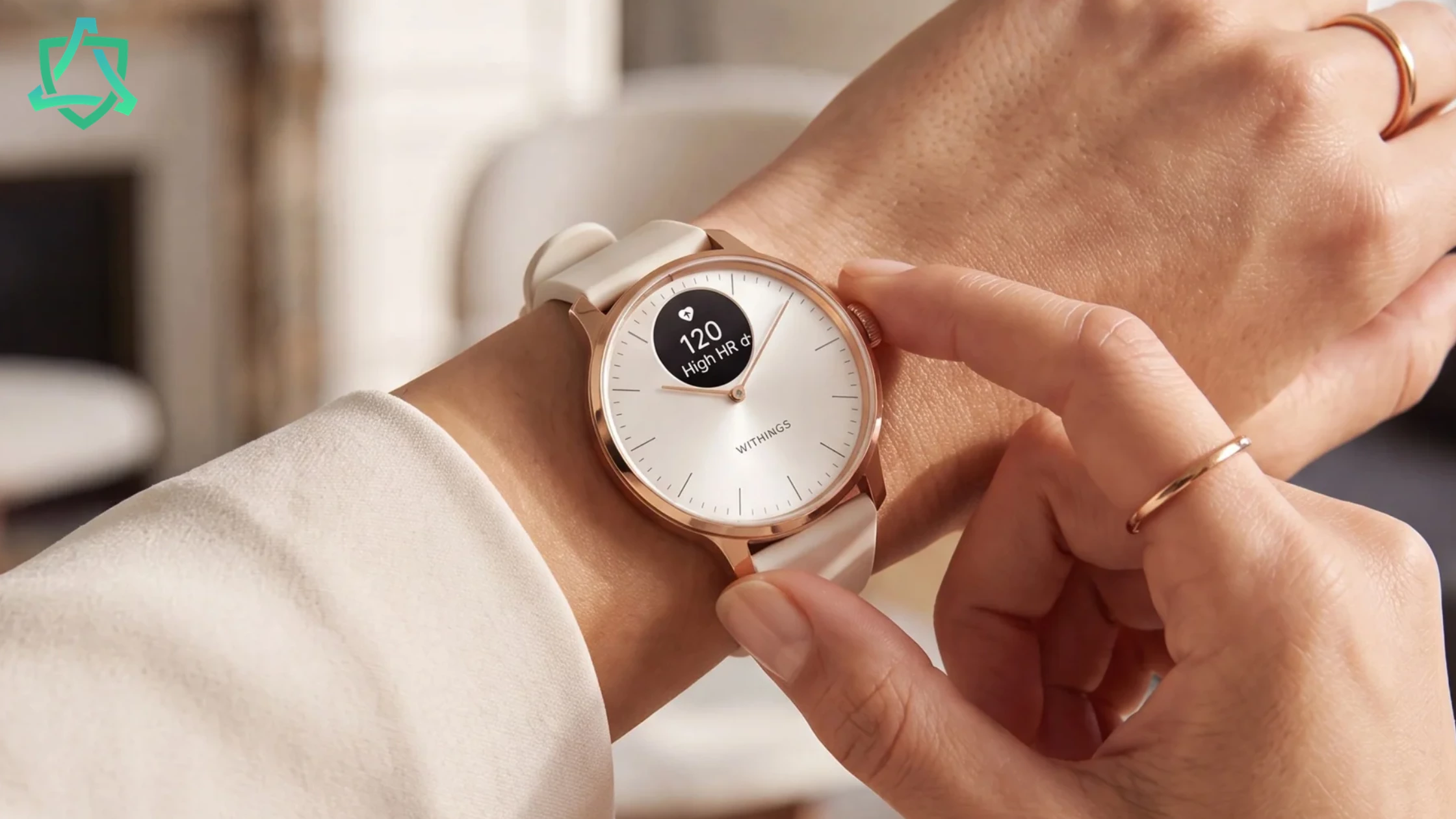
I like this pick for a reason most buying guides skip entirely. The Withings ScanWatch Light is not really “designed for women” in a marketing sense. It’s a small, classic analog watch that happens to track your cycle without looking like a fitness gadget.
That distinction matters more than color options. A bright AMOLED screen shows notifications and stats to anyone glancing at your wrist. The ScanWatch Light’s tiny grayscale display only lights up when you check it, so your cycle data, sleep scores, and heart rate stay private by design, not by accident.
At 37mm, the case sits closer to a traditional watch size than most fitness trackers, which tend to run large on smaller wrists. The stainless steel build and analog hands read as jewelry first, tracker second. You get the health data without the tech-forward look.
Key Features
- Up to 30 days of battery life on a single charge
- Menstrual cycle tracking: phase, period duration, symptoms, flow, and mood logging
- 24/7 heart rate [HR] tracking with high and low notifications
- Sleep tracking with light and deep sleep stages
- Cardiac Coherence breathing sessions for stress recovery
- Connected GPS via smartphone for outdoor activity mapping
- 5 ATM water resistance, swim-safe
Worth Knowing
The ScanWatch Light skips ECG, SpO2, and skin temperature sensors to keep the price down. Those live on the pricier ScanWatch 2. Outdoor tracking needs your phone nearby since GPS isn’t built in, and the small display shows one data point at a time, so most trend-checking happens in the app.
Best For
Anyone who wants real cycle and health tracking without wearing something that broadcasts it. A natural fit for smaller wrists, first-time smartwatch buyers who dislike bulky sports watches, and anyone who wants a tracker that doubles as a watch they’re proud to wear every day.
Best Slim/Minimalist - Oura Ring Gen 4
Price: $349 (up to $499 for premium finishes) | Battery Life: 5–8 days
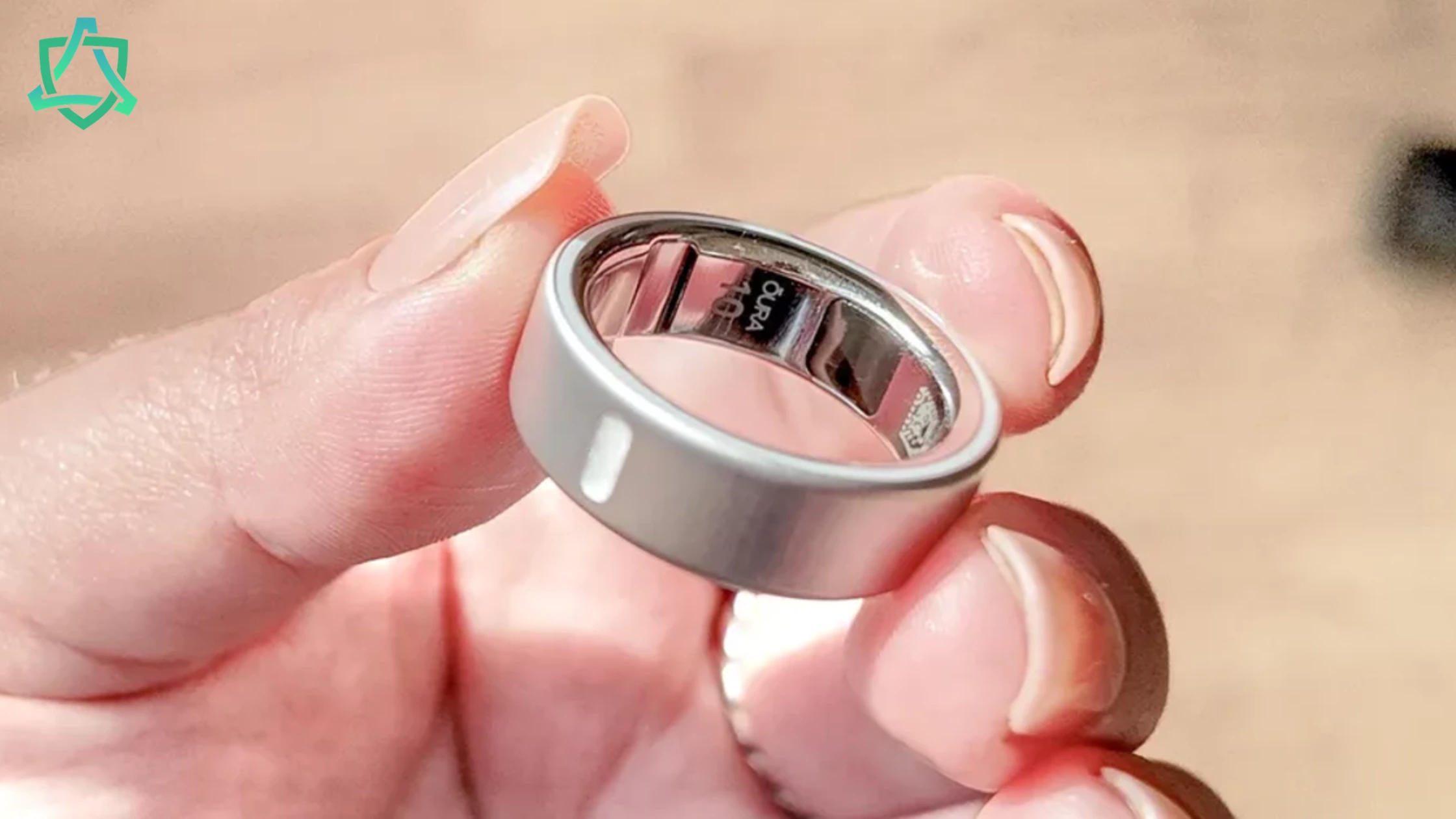
Every other pick on this list asks you to notice it. A screen glows, a case sits on your wrist, a strap needs adjusting. The Oura Ring 4 skips all of that and still delivers full health data through your phone.
That trade brings the shortest battery life here — five to eight days against weeks or months for the wrist-worn options. But charging takes only 20 to 80 minutes, and the real question isn’t runtime, it’s habit. Drop it on the charger during a shower or while getting ready in the morning, and battery stops being a decision you have to make.
The titanium build and no-screen design mean it disappears the way a wristband never fully does. Automatic workout detection now covers over 40 activity types, so you’re not stuck manually logging every session either.
Key Features
- Titanium ring body available in sizes 4 to 15
- 5–8 days of battery life, 20–80 minute full recharge
- 24/7 heart rate, heart rate variability [HRV], and skin temperature tracking
- Blood oxygen (SpO2) monitoring and sleep stage tracking
- 100-meter water resistance rating, safe for swimming and showering
- Automatic detection for 40+ workout types
Worth Knowing
Full insights need an Oura Membership at $5.99 a month or $69.99 a year, after one free month. Without it, you only see daily readiness, sleep, and activity scores. There’s no screen at all, so every metric lives in the app, not on your hand. If a ring isn’t a lock for you yet, compare it against 8 other smart rings in our full guide.
Best For
Anyone who wants complete health tracking without wearing anything that looks like a gadget, and doesn’t mind checking a phone instead of a wrist for their numbers.
Best for Hiking & Outdoor Use - Garmin Enduro 3

Price: $899.99 | Battery Life: Up to 90 days smartwatch mode / 320 hours GPS mode (solar), single 51mm titanium build
Most battery claims fall apart the moment you leave a lab. The Garmin Enduro 3 holds up in the field. One long-distance hiker logged 20 days on trail, mostly outdoors, and still had 66 percent battery left on their Enduro 3. Another wore it for a full month using the flashlight nightly and finished at 70 percent.

Garmin’s official numbers assume ideal solar conditions: Three hours a day in direct sun at 50,000 lux. When I compared that spec sheet against real trail reports, the gap was smaller than expected. Weather, tree cover, and cloudy days still pull the numbers down, but even the conservative, real-world results outlast every other watch on this list by weeks, not days.
The battery isn’t the only reason this earns the outdoor pick. Preloaded TopoActive maps mean you’re navigating on the watch itself, not relying on a phone signal in the backcountry. A built-in LED flashlight removes one more item from your pack.
Key Features
- Multi-band Global Navigation Satellite System [GNSS] with SatIQ, up to 120 hours of tracking with solar
- Transflective memory-in-pixel [MIP] display, always-on and readable in direct sunlight
- Preloaded TopoActive maps with dynamic round-trip routing
- Built-in LED flashlight with red-light and strobe modes
- Elevate Gen 5 heart rate sensor with electrocardiogram [ECG] and wrist temperature monitoring
- 10 ATM water resistance rating (not dive-certified)
- Titanium bezel with sapphire lens, 63-gram weight
Worth Knowing
Published GPS estimates run higher than what most people see day to day. One thru-hiker’s device showed a 72-hour estimate in practice against an 80-hour published figure, likely from heart rate tracking pulling extra power. Plan your trips around the conservative number, not the ceiling.
Best For
Thru-hikers, backpackers, and anyone spending multiple days off-grid who wants to stop carrying a backup charger altogether.
Understanding Battery Life in Fitness Trackers
Every spec sheet lists a battery number. Almost none of them explain why that number moves. I think of battery life the same way I think of a budget. Every feature on your tracker spends power, some more than others. Once you see which features cost the most, you can control your own battery life instead of guessing at it.
What Drains Battery Most

Continuous GPS tracking is the biggest expense on any tracker. A watch pinging satellites every second during an hour-long run burns through more power than a full day of step counting. Multi-band Global Navigation Satellite System [GNSS] tracking, which pulls signal from multiple satellite networks for better accuracy, drains faster still.
Weak signal makes things worse. Under thick tree cover or between tall buildings, the watch works harder to lock a satellite position, and that extra effort pulls power the whole time you’re moving.
An always-on AMOLED display comes next. Keeping pixels lit around the clock, even at low brightness, pulls power nonstop. Trackers with a memory-in-pixel [MIP] display, or a screen that only wakes on wrist-turn, use far less energy for the same information.
Continuous heart rate monitoring adds up too, though less dramatically. Checking your pulse every second instead of every few minutes keeps the sensor working overtime. Constant Bluetooth connectivity for phone notifications does the same, especially when the screen lights up for every alert.
Cold weather is an overlooked drain. Lithium-ion batteries lose efficiency below freezing, so a tracker that lasts ten days indoors might last six on a winter hike.
What Extends Battery Life
Power-saving mode is the simplest fix. Most trackers let you switch from continuous GPS to connected GPS, which borrows your phone’s location instead of running its own antenna. You lose a little accuracy and gain days of runtime.
Lowering screen brightness and shortening timeout duration helps more than people expect. A display that goes dark after three seconds instead of fifteen adds up fast over a week.
Turning off non-essential notifications matters too. Every buzz and screen wake for a low-priority app is a small withdrawal from your battery. Keep only what you actually check.
Keeping firmware updated matters more than most people realize. Manufacturers regularly patch battery management bugs, and skipping an update sometimes means missing a fix that was already available.
Charging habits affect long-term battery health, not just daily runtime. Lithium-ion batteries hold up best between 20 and 80 percent charge, and they degrade faster from sitting at 0 percent or staying on the charger indefinitely. A partial top-up most days beats one deep drain-and-refill cycle.
For solar-capable trackers, time outdoors does real work. Even indirect daylight adds meaningful charge over hours of wear.
Setting Realistic Expectations
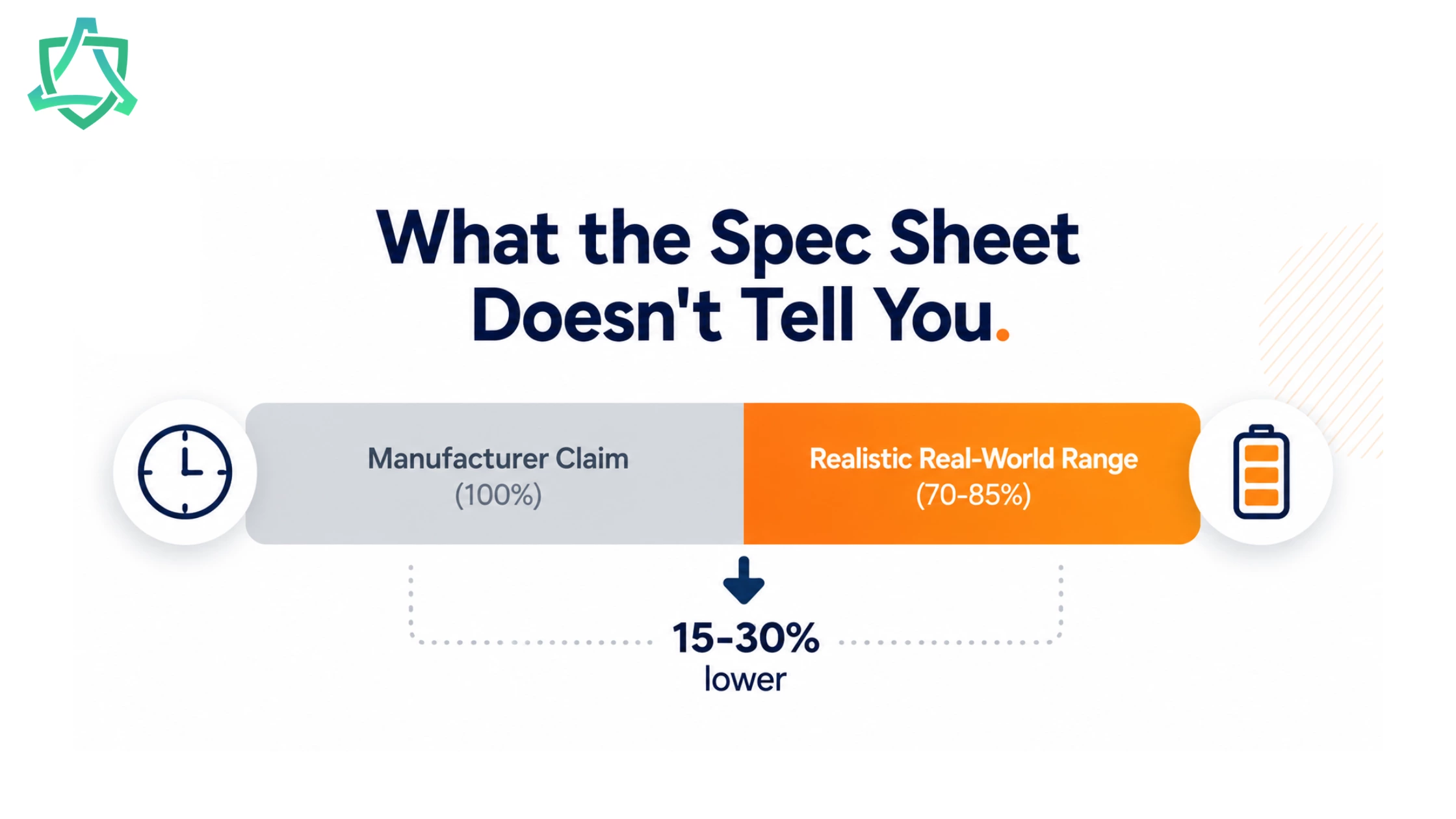
Every battery figure on a spec sheet describes ideal conditions: moderate temperature, minimal GPS use, default settings. Real use rarely matches that. Expect your actual runtime to land 15 to 30 percent below the manufacturer’s number once workouts, notifications, and daily wear enter the picture. Temperature and terrain shift that number further in either direction. That gap isn’t a defect. It’s the difference between a lab test and your life. Plan around the lower number, and any extra days feel like a bonus.
Fitness Tracker Battery Life Buying Guide
Assess Your Usage Patterns
A 30-day test across twelve trackers found one pattern above all. Habits move the needle more than specs do. A watch rated for ten days lasted five with daily GPS workouts, and fifteen with only occasional glances. That’s a 3x swing on the exact same device. Count your real week, GPS runs, notification checks, and sleep tracking before comparing battery numbers between models. If cycling makes up most of that GPS time, our best fitness trackers for cycling guide covers activity-specific picks.
Built-in GPS vs. Connected GPS
Continuous GPS tracking is the single biggest battery expense a tracker carries. Testing shows a one-hour GPS-tracked run can drop a battery by 25 to 30 percent, against 1 to 2 percent an hour on standby. Built-in GPS runs its own antenna nonstop; connected GPS borrows your phone’s location instead. Built-in GPS costs more battery and more money, but it works miles from your phone. Connected GPS trades some independence for savings. Train solo or off-grid, and built-in earns its price.
Display Considerations
Always-on displays draw power even while idling on your wrist, not just when you check them. That habit alone costs 1 to 2 percent of battery per hour, which adds up to nearly a full day of runtime over a week. A memory-in-pixel [MIP] display, or a screen that wakes only on wrist-turn, skips that constant draw. If you check your watch constantly through the day, a brighter AMOLED screen might still be worth the trade.
Ecosystem Lock-In
I’ve watched trackers outlive the app support behind them more than once. Every brand nudges you toward its own subscription and accessories, and switching later often means losing your history. Before you buy, check whether core health data, like sleep or heart rate, sits behind a paywall. A tracker that’s cheap today can turn expensive once subscription notifications start.
Price per Year of Use: The Battery Degradation Trap
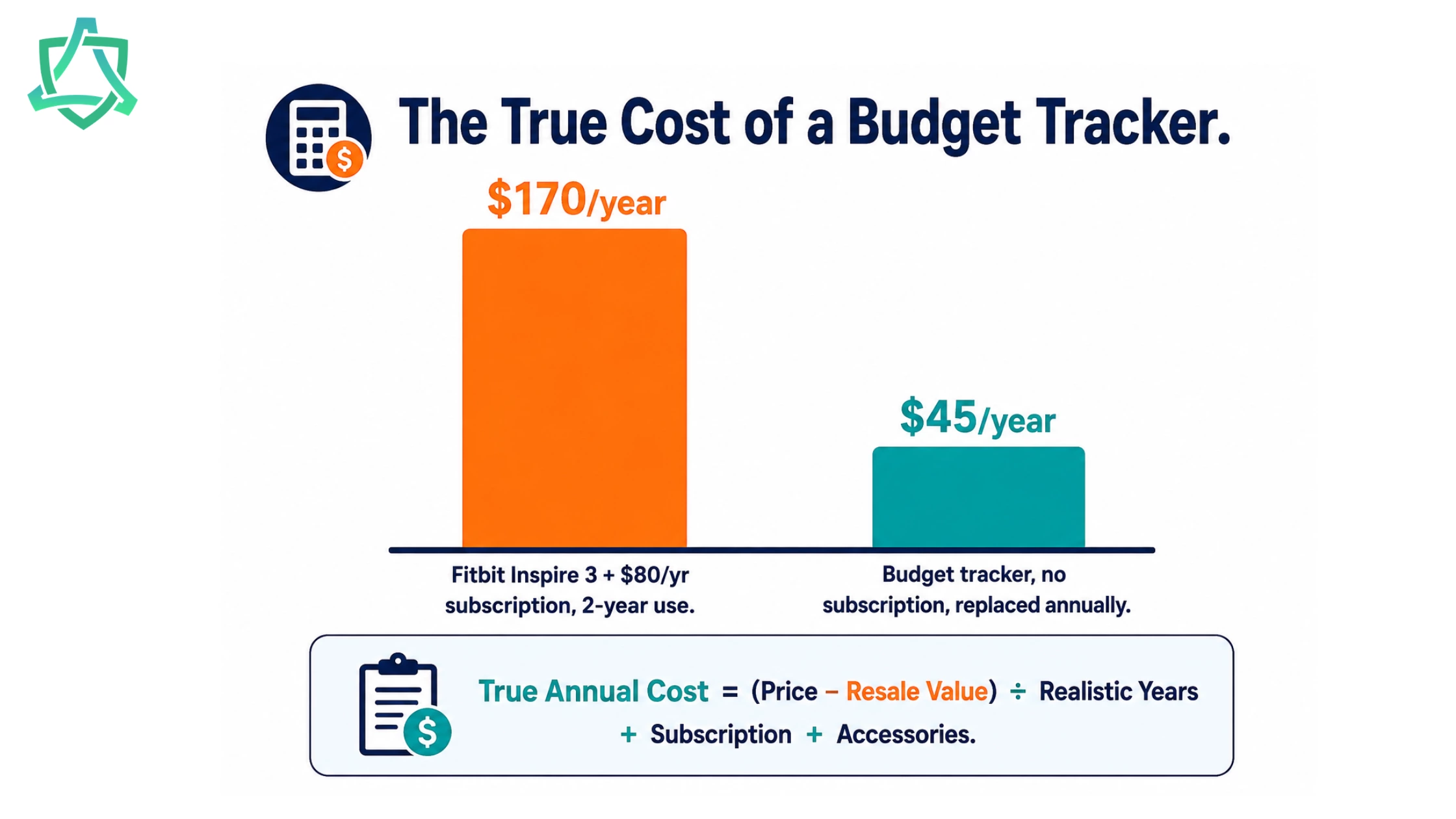
True Annual Cost = [(Price − Resale Value) ÷ Realistic Years] + Subscription Fees + Accessories
Battery Care & Maintenance Tips

Keep your tracker between 20 and 80 percent charge most days. That range causes far less strain than sitting at a full charge or hitting empty. A quick top-up beats one deep drain-and-recharge cycle.
Heat is the real enemy, not cold. Leaving your tracker in a hot car or direct sun speeds up capacity loss faster than daily use. Store it somewhere cool and dry when you’re not wearing it.
Avoid letting the battery sit at zero percent for days. A fully drained lithium-ion cell degrades faster the longer it stays empty. Charge it within a day or two if you set it aside.
Clean the charging contacts every few weeks. Sweat and dust build up on the metal pins and block a full charge, even when the cable looks properly connected.
Update firmware often. Manufacturers patch battery management bugs regularly, and a skipped update can drain your tracker faster for no visible reason.
Frequently Asked Questions
Check the GPS type first. Built-in GPS drains faster, but connected GPS trackers often post the longest overall battery numbers since they skip the GPS antenna entirely.
Display type matters just as much. A memory-in-pixel [MIP] or hybrid analog screen easily beats an always-on AMOLED display for battery life, and solar charging pushes runtime further still.
Check real-world reviews too, not just the box. Manufacturer numbers assume ideal conditions, so actual runtime often lands lower.
The Garmin Instinct 3 fits both needs well. It runs 28 to 40 days without solar, and its vibration alerts include a silent alarm that wakes you without sound.
For something smaller, the Withings ScanWatch Light also includes vibrating alarms and runs up to 30 days per charge.
The Withings ScanWatch Light is the strongest connected watch pick here. Its heart rate sensor delivers accurate day-to-day tracking, and the hybrid analog design still returns up to 30 days of battery life.
It skips ECG and SpO2 sensors to keep that battery number high. If you need those specific readings, a fuller-featured hybrid watch will serve you better.
Three changes make the biggest difference. Switch to connected GPS instead of built-in GPS when you don’t need standalone tracking, and turn off the always-on display.
Charge in the 20 to 80 percent range instead of running it to empty every time. That habit alone can add months of usable battery life over a year.
Battery life varies a lot across the Fitbit lineup. The Inspire 3 leads at up to 10 days, while the Charge 6 manages up to 7 days. The Versa 4 and Sense 2 both run about 6 days, mostly because their brighter displays and extra sensors cost more power.
If long battery life matters more than smartwatch features, the Inspire 3 remains the longest-lasting Fitbit you can buy.
Among trackers with a screen, the Garmin Enduro 3 lasts the longest, rated for up to 90 days in smartwatch mode with solar charging. That’s the ceiling for anything reviewed here.
If you don’t need built-in GPS or solar charging, the Withings ScanWatch Light and Garmin Instinct 3 both run 28 to 35 days on a single charge, which still outlasts nearly every mainstream smartwatch.
The Garmin Enduro 3 is built specifically for this. It runs up to 90 days in smartwatch mode with solar charging, and up to 320 hours in GPS mode outdoors, which covers multi-day thru-hikes without a backup charger.
If you want a lighter, cheaper option, the Garmin Instinct 3 still manages 28 to 40 days without solar, and its solar version adds real runtime for anyone spending several hours a day outside.
The Withings ScanWatch Light fits this best. Its small, 37mm analog case and stainless steel build read as a traditional watch rather than a sports tracker, and it still runs up to 30 days on a single charge.
It also tracks menstrual cycles directly, alongside heart rate and sleep, without a bright screen broadcasting your data to anyone nearby. This is one of the most common questions in r/FitnessTrackers on Reddit too, where real users compare notes on exactly this trade-off.
Making Your Decision

I still think about that charger I left behind at a hotel two states away. It’s why my honest pick for most people here is the Garmin Instinct 3. Twenty-eight days on a single charge already beats a full work month, and the solar option turns that number into something you rarely think about again.
That said, the Instinct 3 isn’t the right call for everyone. If your budget stops at $100, the Fitbit Inspire 3 still gets you ten solid days without cutting corners on the basics. If you want your tracker to disappear entirely, the Oura Ring 4 does that better than anything with a screen.
Run your own numbers before you buy. Count how often you’d actually use GPS, check whether you’re outdoors enough for solar to matter, and add subscription costs into the real price. The tracker that fits your week beats the one with the biggest number on the box.
My charger stays in my bag now, mostly out of habit. With the right tracker, you might not need to think about it at all.
SHARE.
