
-
Daniel Carter
- 29 Mins Read
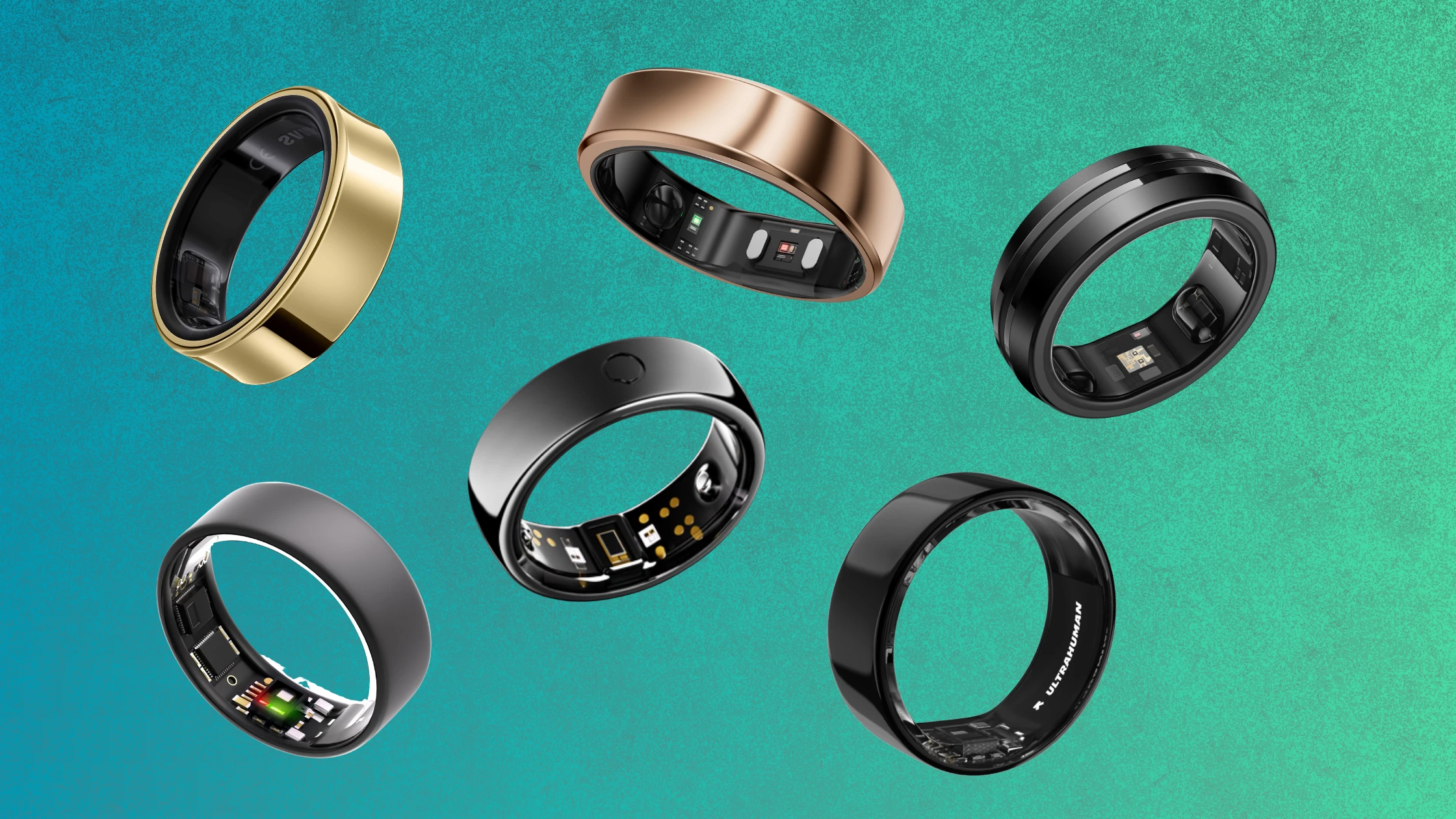
Smart rings are one of the most exciting and fastest-moving areas of wearable tech right now. After years of being a niche category, the market boomed — and 2026 has brought more releases than ever, with both household names and startups working hard to chip away at Oura’s dominance.
These tiny devices pack some seriously advanced health tracking, sleep monitoring, and stress insights into a form factor you barely notice on your finger. Their popularity keeps climbing for one simple reason: they offer a sleek design and battery life that leaves most smartwatches and fitness trackers in the dust.
The best smart ring today delivers premium designs, the longest battery life, and countless actionable insights — covering your night time rest, readiness, and body responses around the clock. If you want our top pick from this list, the RingConn Gen 2 stands out as the one we keep coming back to for its balance of accuracy, features, and value.
We read every spec sheet and spent first-hand testing time with all of these rings, along with advice on choosing between them based on your health goals, lifestyle, and budget. Here’s everything you need to know.
The Quick List
- Oura Ring 4
- Samsung Galaxy Ring
- RingConn Gen 2 Air
- Ultrahuman Ring AIR
- Leep Ring
- Circular Ring 2
- RingConn Gen 2
- Amazfit Helio Ring
- Renpho LYNX Smart Ring
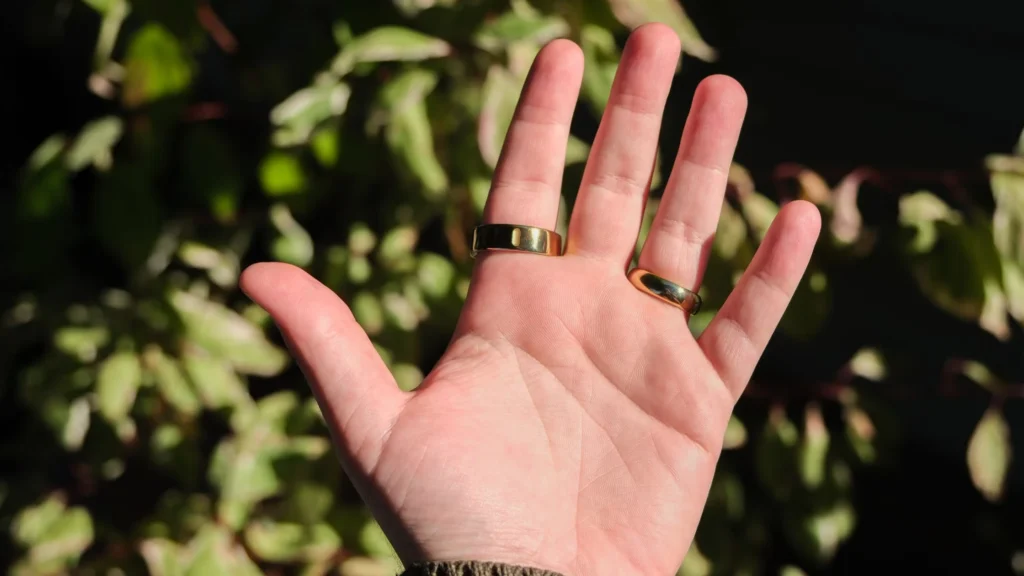
Oura Ring 4
Key Features:
- Titanium build with ceramic options
- 5–8 day battery
- 100m water resistance
- 24/7 heart rate + HRV + SpO2 + skin temperature monitoring
- Detailed sleep stage tracking
- Readiness & resilience scores
- VO2 Max estimation, stress tracking
- Women’s health & cycle insights
- Glucose tracking support
- AI-powered Oura Advisor
Best Of: Most comprehensive health insights in a ring form factor — ideal for users who want medical-grade biometric tracking without wearing a smartwatch
The Oura Ring 4 slightly falls short of being the absolute best smart ring you can buy right now, but it still makes a very strong case as the top piece of wearable tech across the entire market. It set the benchmark for this category and still defines it in many ways.
The Oura app — available for iOS and Android — gives you one of the most polished and well-presented interfaces in the wearable space. Its stress, sleep, and health-tracking accuracy remain superior to any other device we tested. Sleep tracking in particular, covering readiness and activity, delivers daily updates on core vitals like breathing rate, heart rate, and body temperature. That data feeds features like Symptom Radar, which is relatively accurate at predicting health issues before you fully feel them.
The data it can track keeps expanding. Menstrual and ovulation tracking enhancements, blood panel integrations, and new AI tools have all arrived in recent updates. Tracked physical activity — even housework — contributed to overall daily activity stats in testing. The timeline view, which shows when you went to bed, woke up, and engaged in any physical activity over the past 24 hours, helps you determine where you stand across the different categories Oura looks at daily.
The software does need a couple of weeks to learn your body and build average metrics, so don’t panic when you don’t see in-depth, detailed data straightaway. Real-time heart rate tracking and body temp readings calibrate specifically to your body’s trends over time. The sheer volume of data this ring surfaces is enormous — for those who enjoy tinkering with health insights and deep dives, the Oura Labs feature delivers. That said, those looking for a simple health tracker may feel overwhelmed. The good news: you don’t have to comb through the data, but it’s available if you want it.
The app now lets you track metabolic health with a recent rollout of blood test integrations — for those in the US, you can log meals using its AI identification algorithm to analyze meal regularity. The ring uses some form of sensor domes to measure health metrics, which reduces the sensors’ footprint and keeps them essentially flush. If you’re planning to use it during hardcore workouts or scrubbing sinks, it may not be the right ring for you. During testing, the gold colorway picked up deep marks on the device, while the version built from ceramic proved more durable.
Over the last couple of years, platform updates have shifted the focus toward tracking stress resistance, cardio fitness, biological age, and how your sleep patterns align with your circadian rhythm. The latest major refresh brought improved cycle insights, a handy stress-tracking metric called Cumulative Stress, and outperforms competitors in sleep staging validation. The 2026 rollout of a specific AI model trained on clinical research of female physiology is proving itself in a fiercely competitive field.
Independent research found good agreement for global sleep measures, and deep sleep tracking with the Readiness Score integrates HRV and temperature trends to accurately predict when you’re fighting off illness.
The Oura Ring 4’s features do justify the subscription price — if you crave beyond-the-typical, mind-melding historical graphs and countless metrics. The expense of Oura starts at $349, plus a $5.99/month or $69.99/year subscription to access full insights.
Pros
Cons
Samsung Galaxy Ring

Key Features:
- Titanium Grade 5 build (2.3g)
- 6–7 day battery with fast charging case
- 10ATM + IP68 water resistance
- 24/7 heart rate + HRV + SpO2 + skin temperature monitoring
- Sleep stage tracking with breathing rate & latency
- Energy Score
- Automatic workout detection
- Double Pinch gesture controls
- Galaxy AI-powered health insights
- No subscription required
Best Of: Best smart ring for Samsung Galaxy users — delivers comprehensive health tracking with seamless ecosystem integration and no ongoing subscription fees
The Samsung Galaxy Ring is a first-of-its-kind from Samsung — a unique entry into the smart ring field. Unlike the rest of the smart ring picks here, it was built as both a good and a bad thing: features are designed specifically for Samsung users, which means iOS and Android users can access the basics, but the full experience is gated for Samsung phone owners.
The design is impressively slim and jewellery-like. Samsung uses a concave shape to reduce the ring’s footprint on your finger, making it easy to forget you’re even wearing it. After months of wear, it still feels very comfortable — especially compared to sleeping with a watch strapped to your wrist. The black colorway does show visible wear and tear over time, so if you’re worried about the ring looking shabby, you should seriously consider the other colors that Samsung offers. It makes a genuine fashion statement with a unique, elegant look that works with many outfits.
Samsung runs everything through the Samsung Health app. The ring pairs seamlessly with another Android phone, but if you’re a Pixel user, it’s not compatible with iOS devices at all.
In addition to the usual metrics — heart tracking and activity tracking — Samsung phone users get access to energy score, an AI-based offering that analyzes metrics, including sleep, to generate a number on a scale of 100. It tells you whether to take a rest, exercise more, or practice self-care. All of that is locked within Samsung’s ecosystem. In testing, the ring accurately auto-detected workouts, including pool workouts, and heart rate tracking felt reliable. The cycle-tracking feature is powered by Natural Cycles, a fertility-tracking app, using skin-temperature sensing to track your period.
Wellness tracking is the Galaxy Ring’s strong suit. Step counts came close to smartwatch accuracy, sleep tracking felt consistent with how rested we actually felt, and the ring does a great job of turning raw data into something useful. The energy score uses AI to aggregate data from the ring and a paired Galaxy Watch, switching between sensors to save battery where possible.
One of Samsung’s unique claims is the double pinch feature. Set up on a Samsung phone via the Galaxy Wearable app, you can double pinch to snap photos and selfies or even dismiss alarms. It’s great for content creators or folks who want to capture that perfect moment without fumbling for their phone.
Pros
Cons
RingConn Gen 2 Air

Key Features:
- Ultra-slim 2mm titanium/stainless steel build (2.5g)
- 10-day battery
- IP68 water resistance
- 24/7 heart rate + HRV + SpO2 + skin temperature monitoring
- Sleep stage tracking with respiration & recovery analysis
- Stress score monitoring
- Women’s cycle tracking
- AI-powered RingConn Partner assistant
- No mandatory subscription
- iOS & Android compatible
Best Of: Best budget-friendly smart ring for cross-platform users — delivers solid all-round health tracking with a 10-day battery and no subscription fees
The RingConn Gen 2 Air positions itself as an affordable alternative to the flagship RingConn Gen 2. It shares the same focus on comfort and value but comes with fewer style options and features. It’s also a bit heavier than the Gen 2, since it uses premium stainless steel rather than aerospace-grade titanium — but it still holds its ground with impressive battery life of up to 10 days on a single charge.
The ring has a smooth square shape that might look odd at first, but once on your finger it’s actually one of the most comfortable smart rings we tested. The sensor domes are significantly larger compared to other smart rings, which contributes to its durability. It also comes with colored ring protectors you can swap out with your outfits to color-coordinate your look.
The app uses a visual flower metaphor for health tracking. It has four petals — Wellness Balance, Sleep, Relax Status, Vitals Status, and Activity — each rated on a scale of 100. You can take a deeper dive into sleep stats, activity tracking, and stress levels. One of the most important things we noted during testing: when we had a mild fever, the ring caught that the temperature was elevated. It doesn’t give you a more detailed minute-by-minute breakdown like some other smart rings offer, but it can detect temperature anomalies. It does not work well when heart rate is consistently elevated, and it overestimated sleep slightly while underestimating steps and activity.
Without the sleep apnea feature, the ring runs notably lean on battery. We noticed the battery sometimes outlasts even the Gen 2 model. The ring uses photoplethysmography (PPG) and temperature sensors alongside a three-axis accelerometer to track steps, calories burned, heart rate, blood oxygen, and sleep stages, heart rate variability, oxygen saturation, skin temperature, and basic activity. It will also prompt you to get up if you’ve been sedentary for too long, or to take a breather if your stress levels spike.
The app-based workout feature lets you track workouts by opening the app and marking what you’re doing — if it’s anything aside from walking, you’ll need to manually tag it. Steps and activity levels stay general; if you want more accurate workout statistics, you may feel underwhelmed. RingConn has added an AI assistant to the app that generates a plan for you, adjusting your targets weekly based on your activity and feedback.
Priced at $199 with no subscription fees, the RingConn Gen 2 Air is a rival to the top smart rings at a comparatively affordable price point.
Pros
Cons
Ultrahuman Ring AIR
Key Features:
- Tungsten Carbide Carbon-coated titanium build (2.4–3.6g)
- 4–6 day battery, 6-axis motion sensors + PPG + SpO2 + skin temperature monitoring
- Infrared & red & green LED sensors
- Sleep stage tracking, automatic firmware updates
- IOS & Android compatible
- Hypoallergenic epoxy resin inner lining
Best Of: Best smart ring for biometric accuracy — finger-based sensing with military-grade build quality delivers precise health data in an ultra-lightweight, no-subscription form factor
The Ultrahuman Ring AIR is our favorite activity-focused, subscription-free choice in this category. It’s centered on movement, recovery, and circadian rhythms, with unique features like the Adenosine Clearance Window — a guide to help you manage caffeine intake for better rest.
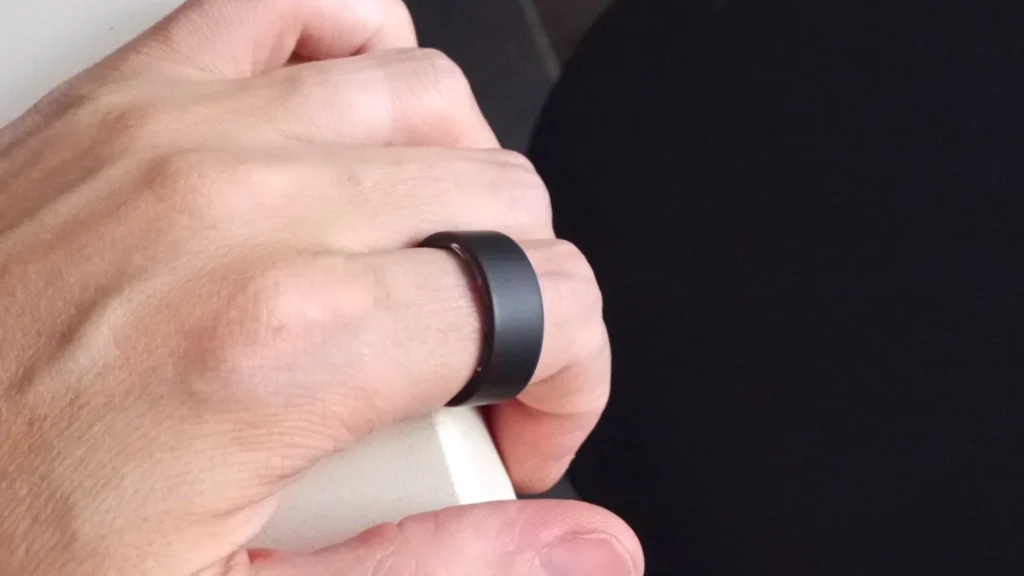
The ring uses infrared photoplethysmography (PPG) sensors to track sleep, recovery, stress levels, caffeine intake, calories burned, steps, and reproductive health for those who menstruate — all with no extra subscription fee. That’s a plus that puts it ahead of Oura in terms of ongoing cost. The ring has a more masculine look with a thicker band, so if you prefer daintier jewelry, this may not be the smart ring for you.
The app’s modular PowerPlugs allow a customizable experience, including AFib detection and jet lag advice. The app layout looks busy with a dark backdrop, and each data marker has a different background color, meaning too much information competes for attention. Key data markers don’t always appear in the same order, which can be disorienting over time.
Right after waking, the app surfaces dynamic recovery data — sleep and sleep debt, and a light exposure window displayed as a countdown. The app does benefit from a consistent and simplistic approach to showing all this data. Anyone who loves data will like this, though it could be presented in a more digestible manner. As with most wearables, readings can vary — when comparing sleep data and other data markers across rings in our testing, they were never the same. In some cases, readings were close; in others, they were off by a lot.
One of the features that stood out is the smart ring’s ability to record different types of workouts. Unlike other smart rings, the Ultrahuman Ring Air offers a better version of workout tracking. Its auto-detection feature is more capable than the one Oura Ring has for movement — accurately detecting the type of workout based on your exercise habits. It also lets you create zones, which you can share with friends who own the ring. Zones are meant to connect your movement stats, and you can also link your own Ultrahuman M1 Live Glucose Monitoring patch to the ring and connect your data for a probably more detailed reading. The list of workouts you can choose from is extensive, ranging from outdoor running, functional strength training, outdoor walking, household chores, cross-training, hiking, Pilates, and a lot more.
Ultrahuman ring’s data looks at your average heart rate, heart rate recovery, calories burned, and the heart rate zone — helpful in some circumstances, especially if pregnant and wanting to avoid overexerting yourself or track training zones. For sleep tracking, we don’t think it captured readings as accurately as the Oura Ring. It uses its own scores for sleep, which gave us a more generous reading.
The brand’s hardware landscape is shifting rapidly. The Ring AIR still holds its ground, but Ultrahuman has officially announced the Ring PRO in February 2026 — a third-generation flagship boasting category-leading 15-day battery life. That impending rollout makes the Ring AIR feel like a tougher sell today. It would also be remiss not to mention the ongoing US import ban on the Ring due to a patent dispute with Oura. Ultrahuman is actively fighting it, but there’s no telling when the rings will be available to purchase again in the US.
If you went through some updates as a fitness enthusiast, you’ll still like the Ultrahuman Ring Air for its depth of activity data.
Pros
Cons
Leep Ring
Key Features:
- Aerospace-grade titanium build
- 8–10 day battery with 60-day charging case
- 5ATM water resistance
- Sleep stage tracking
- Heart rate + HRV + SpO2 + skin temperature monitoring
- Stress & mood tracking
- Free lifetime app
- No subscription
Best Of: Best smart ring for sleep-focused users — exceptional sleep accuracy with zero subscription fees and a market-leading charging case backup
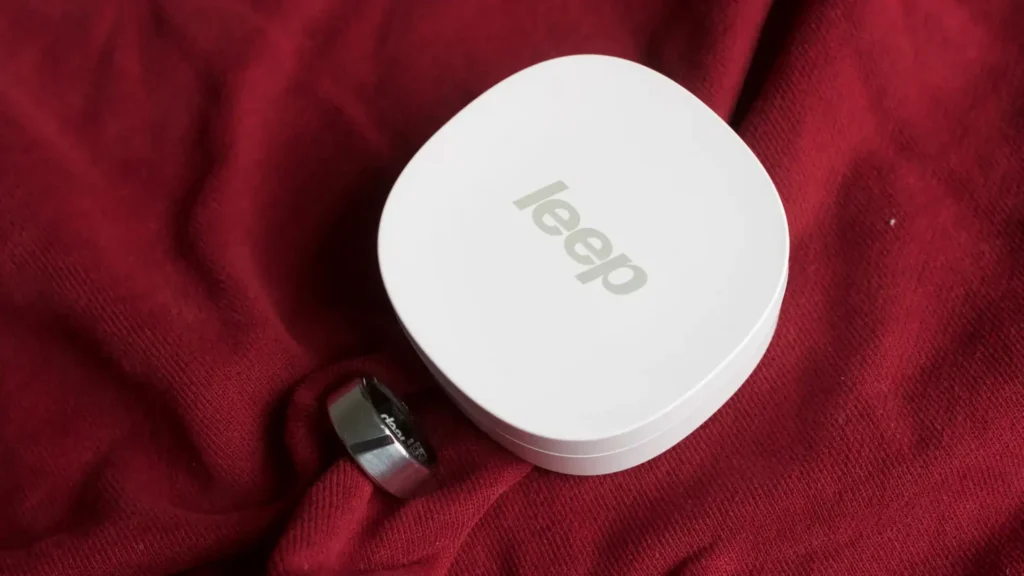
The Leep Ring makes a strong debut for a UK-based startup with a clear sleep-first approach and a competitive $199 price point. During testing, it matched the data quality of established brands like RingConn and Oura across sleep duration, sleep scores, step counting, and stress analysis. What makes it incredibly impressive is just how friendly the app platform is — especially for a straightforward debut product where the app can often feel like an afterthought from startups. The Leep Health app delivers a strong emphasis on intuitive feedback with a clean interface.
The ring itself is slim and stylish with a subtle diagonal indent that lines up with the knobbly internal sensors. At 2.6mm thick with a titanium shell, it’s slimmer than Oura’s latest offering. The included handy charging case provides a massive 60 days of backup power — a huge win at this price point.
The hardware is impressive across the board. It features offline sync for a smoother experience, but it’s currently limited by iOS exclusivity. There are a few first-gen app bugs, and Android support should arrive soon — the brand says it will improve fast to compete.
For a budget-friendly option where you care about basic metrics and sleep tracking, the Leep Ring is one of the best current options on the market.
Pros
Cons
Circular Ring 2
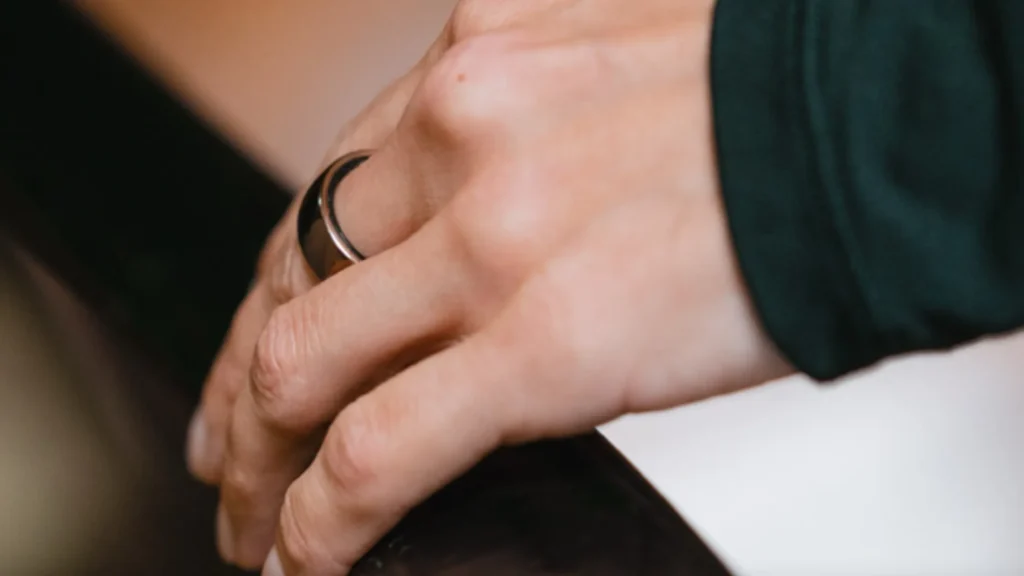
Key Features:
- Titanium build with PVD coating
- 5–8 day battery with wireless charging
- ECG + AFib detection
- 24/7 heart rate + HRV + SpO2 + skin temperature + respiration monitoring
- Sleep stage tracking with smart alarm
- Kira AI Health Coach
- 140+ biosignals
- Coherence training
- Women’s health
- No subscription
Best Of: Best smart ring for heart health monitoring — clinical-grade ECG and AFib detection in a ring form factor, with the most advanced AI coaching of any smart ring
The Circular Ring 2 represents a massive step forward for the brand, featuring a more sophisticated design that puts it in the same visual league as the industry’s biggest names. The headline feature is the built-in ECG and FDA-cleared AFib detection, powered by physical electrodes and delivering medical-grade readings — all without a subscription. It’s currently the only smart ring to deliver such a feature in this way.
Circular has also innovated with a Digital Sizing app in this generation, using AI and your phone’s camera to find the perfect fit — potentially eliminating the waste of plastic sizing kits that most competitors still rely on.
During testing the ring, we noticed the battery life lasts up to a week, though activating its Performance mode reduces this significantly. The included charging case effectively rights many of the brand’s previous mistakes and makes the charging experience much smoother.
The app remains the Achilles’ heel here. We encountered frequent sync delays and bugs during initial testing. It has fallen behind other challengers in data presentation and doesn’t deliver the actionable, unique insights that many of the other options in this list offer.
Pros
Cons
RingConn Gen 2
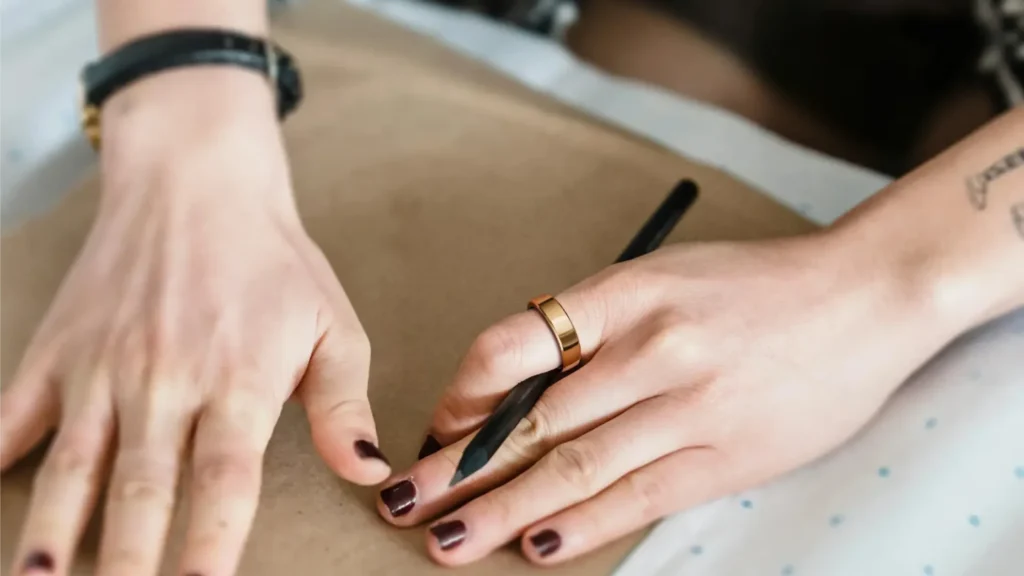
Key Features:
- Titanium build
- 10–12 day battery with 150-day charging case
- 10ATM water resistance
- Sleep apnea monitoring
- Sleep stage tracking
- Heart rate + HRV + SpO2 + skin temperature + respiratory rate monitoring
- Stress & activity tracking
- Women’s health
- No subscription
Best Of: Best smart ring for health-first users — clinically relevant sleep apnea detection, longest charging case backup, and lifetime features with no subscription
RingConn’s Gen 2 is arguably the best smart ring for pure comfort. At 2mm thick, it’s the slimmest one on the market and feels remarkably like a standard piece of jewelry. You genuinely forget it’s a health tracker.
It’s the undisputed battery champion in this lineup, delivering 10–12 days of use on a single charge. That figure is what truly sets it apart from competitors. The Gen 2 is startlingly light, and its battery life doubles what most of the competition manages. During testing, the data for sleep, health, and basic activity proved consistently accurate. The sleep apnea feature is a major drain on the battery, but its massive endurance absorbs that hit. Sleep tracking is solid, and ongoing stress monitoring runs reliably in the background.
The primary criticism remains the companion app — it functions as a data hub filled with graphs rather than a polished coach that fosters meaningful behavior change. There’s data, but the presentation doesn’t guide you toward action the way Oura or even Ultrahuman does.
The price tag of $299 with no subscription fees makes it one of the most practical choices in this space. The charging case offers up to 20 full cycles, making it incredibly practical, especially for travel. Following legal settlements that restored availability in the US, RingConn has disrupted the market and proved that you don’t need a monthly fee to get good data.
Both the RingConn Gen 2 and Gen 2 Air share the same core technology — PPG + SpO2 + skin temperature + accelerometer, 100m water resistance, women’s cycle tracking, and AI-powered insights. The key difference comes down to priorities: the Gen 2 suits health-depth and battery life users with its 10–12 day battery and sleep apnea monitoring, while the Gen 2 Air suits those who want an ultra-slim 2mm design with lighter weight and a 10-day battery, but without sleep apnea monitoring.
Pros
Cons
Amazfit Helio Ring
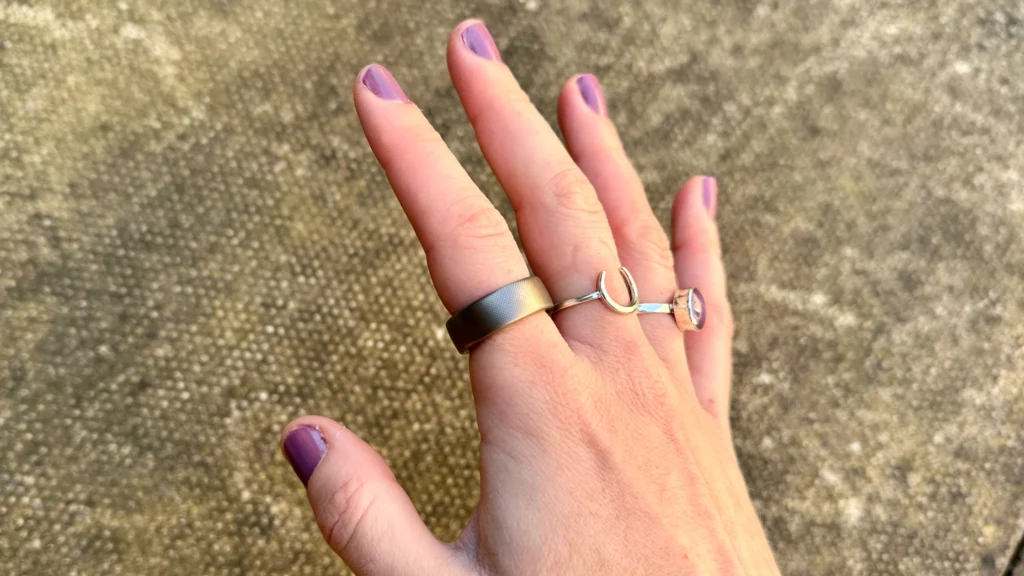
Key Features:
- Titanium build
- 4-day battery with wireless charging
- 10ATM water resistance
- PPG + EDA + SpO2 + HRV + skin temperature monitoring
- Sleep stage tracking with breathing quality
- Stress tracking via EDA sensor
- Readiness & VO2 Max
- Zepp Aura Premium included
- Amazfit smartwatch ecosystem integration
- No subscription
Best Of: Best smart ring for Amazfit ecosystem users — unique EDA-based stress tracking and seamless smartwatch integration at the most affordable price point in the category
The build and design of the Helio Ring is among our favorite smart rings purely from an appearance and feel standpoint. The titanium alloy construction remained scratch-free throughout weeks of testing — it’s both slim and lightweight. Additionally, it’s 10 ATM water-resistant, so pool and shower use is no concern.
Since launch, the company has significantly reduced the Helio Ring’s price, making it the most affordable smart ring at $149.99. Amazfit also took the opportunity to completely revamp the app design, making it far friendlier as a budget option. The ring is only available in three size options — US 8, US 10, and US 12 — which is a real limitation.
The main issue with the Helio Ring is that it offers little unique functionality beyond the readiness, recovery, and sleep-tracking metrics already included in the company’s smartwatches. That means there’s not much reason to opt for it unless you’re already deep in the Amazfit ecosystem and want a ring to break from wearing a watch.
Testing showed sleep data that ran significantly higher than that of the Whoop, Oura, and Apple Watch in the same periods. The insights are not as extensive as other budget offerings from the likes of RingConn and Leep.
If you love the Amazfit ecosystem and want a ring to break from wearing a watch, this ring makes a solid companion. Otherwise, proceed with caution.
Pros
Cons
Renpho LYNX Smart Ring

Key Features
- Titanium alloy build
- 12-day battery with charging case
- 5ATM water resistance
- PPG + SpO2 + HRV monitoring
- 4-zone sleep tracking
- Stress monitoring
- Activity & exercise tracking
- Women’s health
- Daily Health Index score
- RENPHO ecosystem integration
- No subscription
Best Of: Best smart ring for RENPHO ecosystem users — longest battery life in class with solid all-round health tracking at a mid-range price
The Renpho LYNX Smart Ring is one of the more simplistic yet affordable subscription-free options in this lineup. It still holds its own pretty well against the more expensive picks, and at $179.99, it feels like a worthy competitor. Health tracking is quite reliable, and the companion app translates data into clear and straightforward information without burying you in jargon.
You don’t get the same level of deep insights as the Oura Ring 4 or Ultrahuman Ring AIR, but it covers the basics and provides graphs — it just doesn’t go beyond the surface. Feature-wise, the Renpho LYNX Smart Ring covers all the basics: sleep tracking, heart rate, activity, stress, and blood oxygen. There’s no standout or particularly impressive feature, but it’s solid and consistent.
The design is minimal and simple with black and silver options. It is a bit bulkier and heavier than some others in this list, meaning you notice it on your finger more often — a small trade-off for what is otherwise a dependable, no-fuss tracker.
Pros
Cons
How We Picked and Tested The Best Smart Rings
To test the best smart rings, we wore each of them for several weeks — in some cases for months at a time. We used a minimum of two rings simultaneously to cross-examine and get a better sense of how each ring recorded health stats, then we checked those stats to assess the pros and cons throughout the day.
Our team has been testing rings since the early days of this category, building extensive experience wearing and comparing smart rings constantly. Every testing cycle involves looking at how each ring stacked up through a deep dive into the features. The process never stops — we continuously assess how the data compares across rings for tracking accuracy and long-term insights.
Battery Life
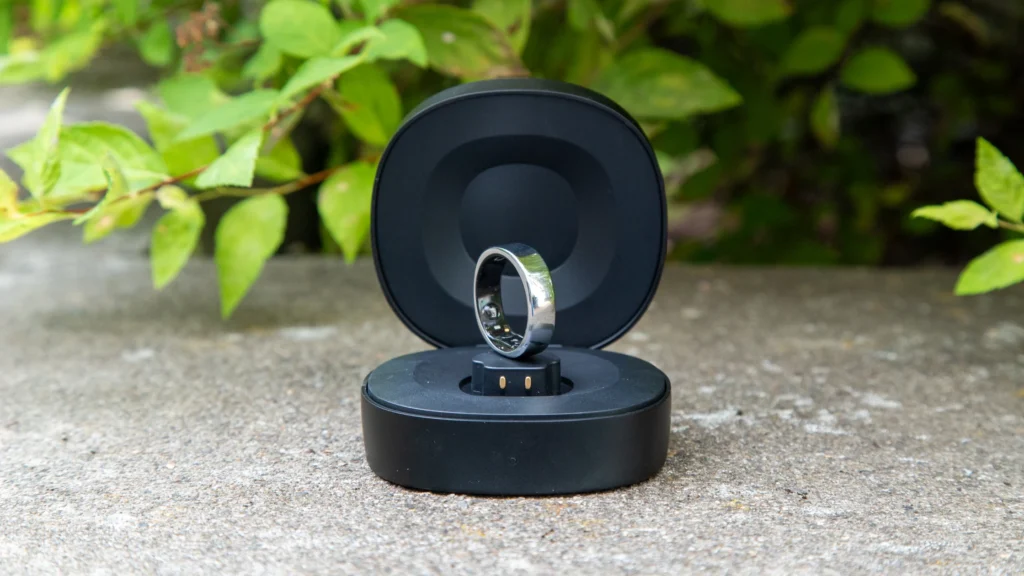
We tracked how long the battery lasted on each ring through real-world use. We also checked the charging case to understand how much additional battery life it could provide in a pinch, then cross-checked charge times against the brand’s claims to see how honest those numbers were.
Durability
We’re tough on wearables. During testing, we carefully checked for scratches, dents, and more after each week of wear. Some rings held up better than others — and in some cases, the color made a real difference to how visible any wear was.
Sensor Data
We paid close attention to how each ring recorded sleep cycles, daily walks, and temperature and stress levels — including during bouts of winter illnesses, where accurate temperature data matters most.
Software
We fully investigated the accompanying software for each smart ring, checking every app for ease of use, layout, and extra features to understand whether the hardware was backed up by a platform worth using.
What To Look For When Choosing The Best Smart Ring
If you’re ready to purchase a ring but not sure how to choose, we’ve got you covered. There are several key factors to consider when choosing the best smart ring, including comfort, fit, software, subscription cost, and battery life features.

Comfort And Fit
First and foremost, focus on comfort. If a ring doesn’t fit comfortably or feels too bulky, you simply won’t continue wearing it consistently — and a wearable you don’t wear is useless. To get a comfortable fit, most ring brands allow you to purchase a ring sizing kit prior to ordering the final product. This lets you feel how it sits on your finger and ensures you choose the appropriate size. Wear the sizing ring for at least a day to account for natural finger swelling throughout the day, and check that it doesn’t slip off when washing your hands. The right fit isn’t just about comfort — it’s essential for sensor accuracy too.
Battery Life
Smart rings generally offer much longer battery life than wrist-based trackers — but that doesn’t mean every device in this category is equal. A device that constantly needs charging before you can use it defeats the purpose. If you’re traveling frequently or simply don’t want to worry about a daily charge, always choose a smart ring with longer battery life to limit your charging frequency. Most smart rings offer a battery life of one week per charge, but some can last longer. Think about your weekly schedule and how often you’d realistically charge the ring. Most will provide a notification when the battery is low, but making charging a conscious habit prevents you from missing overnight sleep data when it matters most.
Durability
If you regularly work out with barbells, dumbbells, or machines, choose a durable ring in a color that hides scratches or comes with a scratch-resistant finish. Smart rings are generally durable and should be treated with caution if you care about the look of your ring — the surface of a ring can be quickly scratched when rubbed against something like barbell knurling. That will bother some users more than others. If you’re worried about scuffs and scratches, carefully consider the ring’s material and color before buying, or look for models that include ring protectors.
Metrics Tracked
Fitness rings track many of the same features as a fitness watch. Most rings cover the basics, like sleep, heart rate, HRV, and steps. But you also want to consider what other features you want to track. If you’re looking for a specific health metric like SpO2 (blood oxygen saturation), or workout tracking, body temperature, blood oxygen, and more, these are not default features on every ring. Carefully look at each metric a ring can track to ensure it provides the data you’re actually looking for before committing.
Software And Subscriptions
Software is an important feature — and so is the cost to access the data. Many smart rings come with lots of health-tracking options, but some models require a subscription to access the full suite of features and data. That monthly membership to access all your health data adds up over time, so factor the ongoing cost into your decision alongside the upfront price.
Payment Options
Many of these rings are focused on health monitoring and are HSA/FSA eligible. If you have those plans, you may be able to use those funds to purchase one. If you’ve got an HSA or FSA account and are not sure what to spend it on, a smart ring is a genuinely good option — it bridges the gap between lifestyle wearable and health tool.
Smart Rings: FAQ
Smart rings are small, discreet wearable devices — ideal if you enjoy the benefits of a wearable but don’t want a smartwatch or fitness tracker on your wrist. They primarily track sleep, steps, recovery, and stress levels. Their popularity keeps growing because they’re comfortable to sleep in while providing in-depth health insights that smartwatches simply can’t match — and they allow you to keep wearing your favorite watch or timepiece during the day.
Smart rings do struggle with tracking workouts compared to wrist-based devices. Very few offer advanced health features like ECG or blood pressure monitoring. The absence of a screen and NFC can also feel less practical than a smartwatch for daily tasks like payments and notifications.
Regular cleaning helps maintain accurate tracking and prevent skin irritation. Use mild soap and water to remove buildup and oils. Wipe the inner sensors with a soft cloth, and always dry the ring and your finger after handwashing. Smart rings are built to handle everyday wear, but to avoid damage, it’s best to remove them when working with tools, lifting heavy weights, or playing contact sports.
Neither is necessarily better — they serve different purposes. A smartwatch is an active companion on your wrist that delivers notifications, apps, payments, and active workout tracking. A smart ring is a passive health monitor designed for discreet, comfortable use (especially for sleep) that provides deep insights into your body’s readiness, sleep quality, and stress — without the distracting screen.
Many of the rings we’ve tested are designed to monitor aspects of your health and fitness. Heart rate, SpO2 (blood oxygen), and skin temperature sensors are quite standard. Additionally, we’re beginning to see the first rings capable of taking an ECG entering the market — a significant step toward clinical-grade ring health monitoring.
Most smart rings we tested come with a sizing kit that includes a plastic version of the ring, allowing you to try a range of sizes before the actual ring ships. It’s important to wear the test ring for a day or two to ensure it fits well and doesn’t slip off while washing your hands. A snug fit that doesn’t twist on your finger is crucial for obtaining accurate sensor data — this aspect is more significant than most people realize when they first buy a ring.
Generally, smart rings are meant to be worn on the index finger, but you can wear them on any finger you prefer. Comfort and consistent sensor contact matter more than the specific finger — wear it where it stays in place, and you’ll forget it’s there.
Most models need to be charged every five to eight days. Smart rings typically come with a charging cable — and sometimes a charging case — but may not always provide a wall adapter. A full charge can take anywhere from an hour and a half to three hours. Avoid letting the battery run down completely, as you run the risk of losing health data. Oura recommends charging your ring in short bursts and during moments of low activity. The company suggests charging at least 30 percent before bed to ensure uninterrupted sleep monitoring throughout the night.
It depends on the ring — and it’s a crucial factor. Industry leader Oura Ring 4 requires a $5.99/month subscription to access full insights, historical data, and advanced features. However, major alternatives like Ultrahuman Ring AIR, RingConn Gen 2 and Gen 2 Air, Circular Ring 2, and Renpho LYNX Smart Ring do not need an ongoing subscription to access your data. Always check subscription terms before buying.
Smart rings can take a beating and won’t be torn to shreds after a couple of months of real-world use. Rings like RingConn and Oura are made of titanium — lightweight and scratch-resistant. We do suggest taking your ring off during activities like lifting weights, where it can get scratched; ring protectors can help with this if removal isn’t practical. Most smart rings are at least 5 ATM water resistant, so they can be worn in the pool or shower, though this is not universal. Rings with lower ratings only protect against washing your hands — not submersion.
SHARE.
